Understanding Brain Activity Through EEG Data
Neuroscience, Brain and EEG Data, Nervous System Assessment
Brain and EEG Data: What Can Your Brain Activity Tell You?
Explore what EEG data measures, how brainwave activity can be analysed, and why personalised brain data can provide another layer of understanding beyond everyday experience.
Introduction: A Closer Look at Brain and EEG Data
Have you ever wondered what is happening inside your brain when you feel stressed, distracted, overwhelmed or unable to switch off?
Your experiences are personal, but they are not the only source of information available.
EEG, or electroencephalography, provides a way to measure electrical activity produced by the brain. When this data is analysed using quantitative methods, it can provide a more detailed view of brainwave patterns and how they vary across different states and regions.
For some people, this information can offer another layer of understanding alongside their experiences, goals and concerns.
“Brain and EEG data do not replace your lived experience — they provide another lens through which to view it.”
What Is EEG Data?
EEG stands for electroencephalography.
It is a non-invasive method of recording electrical activity from the brain using sensors placed on the scalp.
The brain is continuously active, producing electrical signals that change depending on factors such as attention, relaxation, alertness and sleep.
EEG data captures these signals so they can be examined for patterns in brainwave activity.
Rather than being about a single number or result, EEG provides information that can be explored in context.
📌 Key Idea: EEG data is a continuous record of electrical brain activity, not a single score or label.
What Can EEG Data Show?
Brain activity is complex, and different patterns may appear depending on what the brain is doing at a particular moment.
EEG data can be analysed to explore areas such as:
1. Brainwave activity
Patterns of different frequency bands (such as slower or faster waves) can be examined to see how they appear across regions of the brain.
2. Attention and focus
Certain patterns may be associated with how the brain is engaging, sustaining focus or shifting between tasks.
3. Levels of arousal and relaxation
Activity can vary depending on whether a person is more alert, relaxed, drowsy or somewhere in between.
4. Patterns across brain regions
Differences in activity across areas of the brain may be explored to see how they relate to particular states or tasks.
The purpose is not to reduce your brain to a score.
It is to provide information that may help create a clearer picture of your individual patterns.
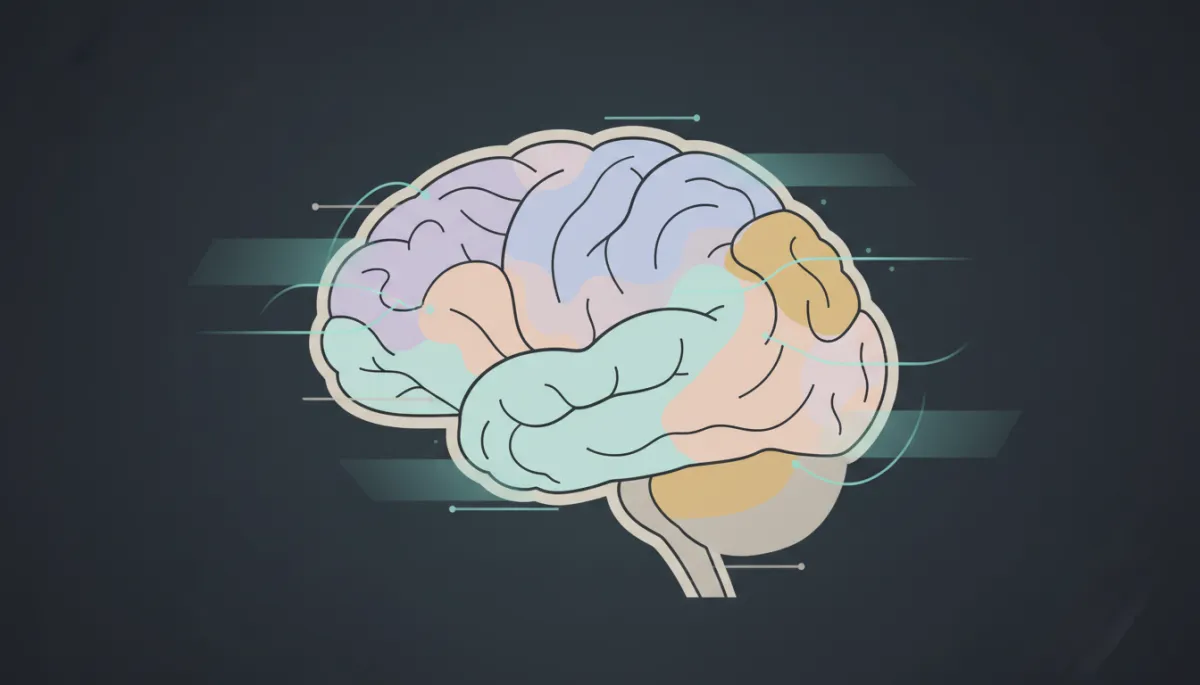
Quantitative EEG brain maps visualise patterns that can be discussed in a personalised context.
Why Does Brain Data Matter?
We often describe how we feel using words such as:
"I'm constantly switched on."
"I can't seem to focus."
"My mind won't slow down."
"I feel tired even when I rest."
These experiences matter.
But understanding them can sometimes involve looking beyond how you feel in the moment.
Brain and EEG data can provide another perspective — allowing patterns of electrical activity to be explored alongside your experiences and goals.
UNDERSTAND
See your individual brain activity from a different perspective.
EXPLORE
Identify patterns that may be worth understanding further.
PERSONALISE
Use individual information to help guide appropriate strategies.
When explored carefully, brain and EEG data can make abstract experiences feel more concrete and discussable.
Brain Activity Is Not The Same For Everyone
There is no single brainwave pattern that represents how every person should function.
Brain activity can vary based on many factors, including your current state, environment, behaviour and individual differences.
This is why context matters.
EEG information should be interpreted carefully and considered alongside the person, rather than viewed in isolation.
A personalised approach can help make the information more meaningful.
💡 Pro Tip: Treat brain and EEG data as one piece of a broader picture that includes your history, goals and professional input.
From Data To Understanding
Collecting brain data is only the beginning.
The real value comes from understanding what the information means and how it relates to your individual situation.
At Neurotherapy Australia, the Brain & Nervous System Assessment is designed to combine assessment data with personalised discussion and practical guidance.
The process includes two sessions.
01 — ASSESSMENT
Your first session focuses on collecting your individual assessment data.
This provides the information needed for further analysis and discussion.
02 — RESULTS & GUIDANCE
Your second session focuses on reviewing and explaining your results.
You can explore what the information may mean in relation to your goals and experiences.
You will also receive practical tools, techniques and resources to help you consider your next steps.
The goal isn't simply to give you data.
It's to help you understand the information and know what you can do with it.
Is EEG Data A Diagnosis?
No.
EEG data and quantitative EEG analysis should not be viewed as a standalone way to diagnose medical, psychological or neurological conditions.
The information provides insight into electrical brain activity and patterns that may contribute to a broader understanding of brain function.
If you are receiving care from a qualified medical or mental health professional, that care should continue alongside any additional support you choose to explore.
📌 Important: Brain and EEG data are not substitutes for medical diagnosis or treatment.
Understanding Your Brain Is A Process
Your brain is constantly changing.
So are your experiences, your environment and the demands placed on your nervous system.
EEG data can provide one additional layer of information to help explore what may be happening beneath the surface.
It doesn't tell the whole story.
But when combined with your experiences, goals and appropriate professional guidance, it can contribute to a more personalised understanding of your brain and nervous system.
The better you understand your individual patterns, the more informed your next step can be.
If you're curious about what your own brain and nervous system data may reveal, explore the Brain & Nervous System Assessment.
Curious About Your Own Brain Data?
A personalised Brain & Nervous System Assessment can provide another layer of information to help you understand your individual patterns and explore practical next steps. It is designed to sit alongside, not replace, any medical or psychological care you may already be receiving.