Understanding Your Brain's Reaction to Imagined Threats
Brain Health, Neurotherapy, Anxiety Support, Nervous System Regulation
When the Threat Lives in Your Thoughts: Why Your Brain Reacts as Though the Danger Is Real
Discover how imagined threats can activate your stress response, why your body is trying to protect you, and how gentle, evidence-informed strategies can support emotional regulation and nervous system balance.
SEO Title, Meta Description, and URL Slug
SEO Title: When the Threat Lives in Your Thoughts: How Imagined Danger Triggers a Real Stress Response
Meta Description: Learn why your brain reacts to imagined threat as if it were real, how this affects your body, and practical ways to support nervous system regulation with slow breathing, mindfulness, HRV training, neurofeedback, and evidence-informed neurotherapy at Neurotherapy Australia.
URL Slug: when-the-threat-lives-in-your-thoughts-brain-stress-response
Engaging Introduction
Have you ever noticed your heart racing before a difficult conversation, your jaw tightening while replaying a stressful memory, or your mind spiralling into “what if?” scenarios late at night? Even when there is no immediate danger in front of you, your body can react as though something unsafe is happening right now. This can feel confusing, frightening, and sometimes exhausting.
The good news is that this reaction does not mean your body is broken. It usually means your brain is doing its best to protect you from a perceived danger or imagined threat. By understanding how your brain and nervous system work together, you can begin to respond with curiosity and compassion rather than fear or frustration. From there, you can learn simple, practical tools to support emotional regulation and calmer nervous system regulation in daily life.
Why the Brain Reacts to Imagined Threats
Your Brain’s First Priority: Survival
One of the brain’s most important jobs is to keep you alive. To do this, it is constantly scanning both your external environment and your internal world for signs of danger. This protective system evolved to help humans respond quickly to real threats, such as a predator or an unsafe situation. In those moments, a fast, strong stress response can be life-saving.
Perceived Danger vs. Actual Danger
Your brain does not only respond to what is happening around you. It also responds to what it believes might happen. A perceived danger can be something you anticipate, remember, or imagine. If your brain decides that a situation, memory, or thought could be threatening, it may activate the same stress pathways it would use for a physical threat.
Replaying a past argument or mistake.
Worrying about an upcoming meeting, exam, or medical appointment.
Imagining worst-case scenarios at work, at home, or in relationships.
Overthinking what others might think or say.
To your nervous system, an imagined threat can feel almost as real as something happening in front of you. This is why your body can react so strongly, even when you “know” logically that you are safe.
The Science Behind the Stress Response
The Amygdala: Your Internal Alarm System
Deep inside your brain sits a small, almond-shaped structure called the amygdala. You can think of the amygdala as an alarm system. It helps detect possible threats and sends rapid signals to the rest of the brain and body. The amygdala responds very quickly, often before you are fully aware of what you are thinking or feeling.
The Prefrontal Cortex: The Logical Problem-Solver
At the front of your brain is the prefrontal cortex. This region is involved in planning, decision-making, emotional regulation, and perspective-taking. It helps you weigh up whether something is truly risky or whether it is safe enough. Under calm conditions, the prefrontal cortex can gently “talk down” the amygdala and help you respond thoughtfully rather than react automatically.
When stress levels are high, however, the amygdala can become louder and the prefrontal cortex can become less effective. This can make it harder to think clearly, solve problems, or see the bigger picture. Overthinking, racing thoughts, and emotional overwhelm can all increase when the amygdala is in charge and the logical parts of the brain are temporarily “offline”.
The Autonomic Nervous System and Fight, Flight, or Freeze
The amygdala works closely with the autonomic nervous system, which controls many of the body functions you do not have to think about, such as heart rate, breathing, and digestion. When the amygdala signals that there may be a threat, the sympathetic branch of this system activates the fight, flight, or freeze response:
Fight – preparing to confront the danger.
Flight – preparing to escape or avoid the situation.
Freeze – becoming still, numb, or disconnected, which can sometimes help you stay safe or unnoticed.
Even when the threat is imagined rather than physical, this same survival system can switch on. That is why your body might feel ready to run, argue, or shut down in response to a thought or memory.
When Thoughts Activate Survival Mode
When your brain interprets a thought as a possible danger, you may notice a range of physical, emotional, and cognitive changes. These can occur even if you are sitting safely on the lounge or lying in bed. Common reactions include:
Increased heart rate – your heart pumps faster to deliver more blood to your muscles, preparing you to move quickly if needed.
Muscle tension – your shoulders, jaw, neck, or back may tighten as your body gets ready to fight or flee.
Faster, shallower breathing – you may start breathing more quickly into the upper chest, which can sometimes lead to light-headedness or a sense of breathlessness.
Heightened senses – sounds may feel louder, lights may seem brighter, and you might feel “on edge” or easily startled.
Racing thoughts – your mind can jump from one worry to another, trying to predict and prepare for every possible outcome. This overthinking is another attempt to keep you safe, even though it may not feel helpful.
Emotional overwhelm – feelings of anxiety, fear, anger, shame, or sadness can intensify, making it harder to feel grounded or calm.
Difficulty concentrating – it may be hard to focus on work, study, or conversations when your brain is busy scanning for imagined threat and perceived danger.
Poor sleep – worries and “what if” thoughts can become louder at night, making it harder to fall asleep or stay asleep. Your nervous system may remain partly on alert, even when you are in bed.
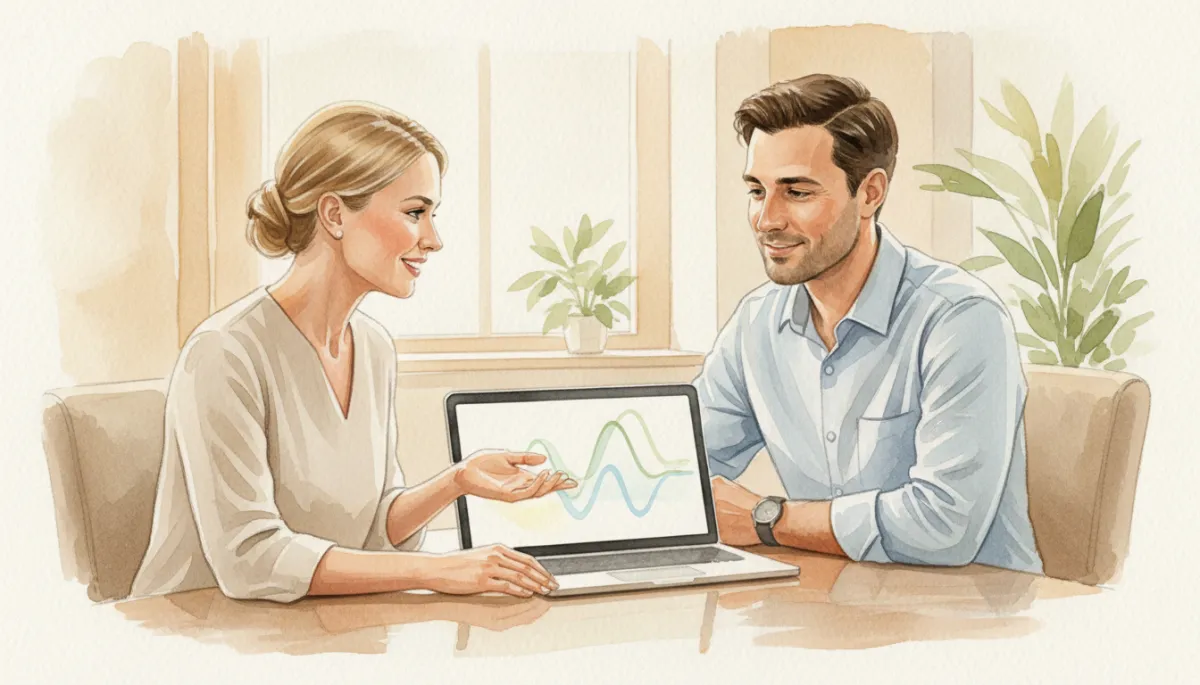
Understanding your body’s stress patterns is a first step toward more effective anxiety support.
Why Your Body Is Trying to Protect You
It can be tempting to see these reactions as signs that something is wrong with you. However, from a brain health perspective, these responses are usually a sign that your nervous system is working, not failing. It is responding to information it believes is important, even if that information is based on memories or worries rather than current events.
📌 Key Insight: Your stress response is designed for protection. The goal is not to switch it off completely, but to help it become more flexible, balanced, and responsive to the present moment.
When you understand that your body is trying to keep you safe, it can become easier to respond with kindness. Instead of thinking, “What is wrong with me?”, you might gently ask, “What is my nervous system trying to protect me from right now?” This shift in perspective can reduce shame and open the door to more effective emotional regulation strategies.
How Slow Breathing Supports Nervous System Regulation
The Power of the Breath–Heart–Brain Connection
One of the simplest and most accessible ways to support nervous system regulation is through slow breathing. Your breathing pattern sends powerful signals to your heart and brain. When your breath is fast and shallow, your body tends to stay in a more activated state. When your breath becomes slower and more steady, it can encourage the parasympathetic branch of the autonomic nervous system to engage, supporting rest, repair, and recovery.
Heart-Focused Breathing and HRV
Heart-focused breathing is a gentle practice where you bring your attention to the area around your heart while breathing slowly and evenly. This can support more coherent patterns in your heart rate variability (HRV) – the natural variation in time between heartbeats. Research suggests that balanced HRV is linked with improved emotional regulation, resilience, and stress recovery. HRV training often uses biofeedback tools to help you see, in real time, how your breathing and focus influence your nervous system.
A Simple Breathing Exercise to Try
The next time you notice racing thoughts, muscle tension, or a rising stress response, you might like to try this simple practice:
Relax your shoulders and gently soften your jaw and hands.
Breathe in gently through your nose for five seconds.
Breathe out slowly for five seconds, allowing your exhale to feel smooth and unforced.
Repeat this pattern for two to five minutes, or for as long as feels comfortable.
Keep gently bringing your attention back to your breath and the present moment whenever your mind wanders.
💡 Gentle Reminder: You do not need to stop your thoughts. Simply allowing your breathing to become slower and steadier can send a message of safety to your nervous system.
Practical Daily Strategies for Emotional Regulation
Mindfulness and Nervous System Education
Mindfulness involves paying kind, non-judgemental attention to your present-moment experience. This might include noticing your breath, body sensations, sounds, or emotions as they come and go. Over time, mindfulness can help you recognise when imagined threat and overthinking are activating your stress response, giving you a chance to pause and choose a different response.
Nervous system education – learning how your brain and body work – can also be deeply calming. When you understand that a racing heart, tight muscles, or difficulty concentrating are part of a protective pattern, they can feel less frightening and more manageable. Many people find that simply having language for “fight, flight, or freeze” and “nervous system regulation” helps them feel more in control.
Movement, Sleep, and Everyday Habits
Regular physical activity can help use up some of the energy created by the stress response and support more balanced mood and sleep.
Healthy sleep habits – such as a consistent bedtime, a calming wind-down routine, and reduced screen time before bed – can make it easier for your nervous system to shift out of high alert at night.
Time in nature has been linked with reduced stress and improved emotional regulation. Even a short walk outside or sitting under a tree can be helpful.
Balanced nutrition and hydration support overall brain health and can make it easier for your body to recover from stress.
HRV Training, Neurofeedback, and Neurotherapy
For some people, working with trained clinicians can provide additional support. HRV training uses sensors to measure heart rate variability while you practise slow breathing or heart-focused breathing. You receive real-time feedback that can help you see how your nervous system responds and gradually build more flexible patterns over time.
Neurofeedback is a form of biofeedback that focuses on brain activity. Sensors placed on the scalp measure brainwave patterns, and gentle feedback is provided through sounds or visuals. Over time, this process may help the brain learn more balanced patterns of activation and rest. Evidence-informed neurotherapy often combines neurofeedback, HRV training, and nervous system education to support long-term regulation, anxiety support, and overall brain health.
⚠️ Important: These approaches are not quick fixes or guaranteed cures. However, growing research suggests they may be helpful components of a broader, personalised plan for supporting emotional regulation and nervous system balance.
Frequently Asked Questions
Is it normal for my body to react strongly to thoughts?
Yes. It is common for the brain to respond to imagined threat or perceived danger as though it were real. Your nervous system evolved to respond quickly to possible risks, even if they are based on memories or worries. While these reactions can feel uncomfortable, they are usually signs of a protective system rather than a personal weakness.
Can slow breathing really make a difference to my stress response?
Slow, intentional breathing may help shift your body out of constant fight, flight, or freeze and into a more balanced state. It does this by influencing the autonomic nervous system and supporting heart–brain communication. While it is not a cure-all, many people find that regular practice makes it easier to notice and manage stress over time.
What is the difference between neurofeedback and neurotherapy?
Neurofeedback is a specific technique that provides feedback about brainwave activity to support learning and change. Neurotherapy is a broader term that can include neurofeedback, HRV training, nervous system education, and other evidence-informed approaches aimed at supporting brain health and regulation. At Neurotherapy Australia, neurofeedback is often one tool used within a personalised neurotherapy plan.
Do I still need other forms of support?
Many people benefit from combining neurotherapy with other supports, such as psychological therapy, medical care, social connection, and self-care practices. Neurotherapy is not a replacement for medical or mental health treatment. Instead, it can form part of a wider, collaborative approach to wellbeing.
Key Takeaways
Your brain is designed to protect you and can react strongly to imagined threat and perceived danger, not only to real-world events.
Structures like the amygdala, prefrontal cortex, and autonomic nervous system work together to create the fight, flight, or freeze response.
Increased heart rate, muscle tension, faster breathing, racing thoughts, emotional overwhelm, difficulty concentrating, and poor sleep are often signs of a nervous system trying to keep you safe.
Slow breathing, heart-focused breathing, mindfulness, movement, and healthy routines can support emotional regulation and nervous system balance over time.
HRV training, neurofeedback, and evidence-informed neurotherapy, as offered by Neurotherapy Australia, may provide additional, personalised support for brain health and anxiety support.
Conclusion
When the threat lives in your thoughts, it can be easy to feel overwhelmed, confused, or discouraged by your own reactions. Yet from a neuroscience perspective, these responses are often signs of a protective brain and body doing their best with the information they have. By learning how your stress response works, you can begin to recognise patterns of overthinking and imagined threat with greater understanding and less self-blame.
Simple practices such as slow breathing, heart-focused breathing, and mindfulness can help you gently guide your nervous system back towards balance. Over time, these skills can support more flexible emotional regulation and a greater sense of safety in everyday life. For many people, combining these strategies with professional support – including HRV training, neurofeedback, and evidence-informed neurotherapy – can further strengthen resilience and brain health.
Neurotherapy Australia Can Support You
At Neurotherapy Australia, we are committed to providing compassionate, evidence-informed care that respects your unique story. Our team offers individualised assessments, nervous system education, HRV training, neurofeedback, and personalised neurotherapy programs designed to support nervous system regulation and long-term brain health. We work alongside you to explore how your brain responds to stress and to develop practical strategies that fit your life and values.
If you would like to learn more about how imagined threats influence your stress response, or explore whether neurotherapy may be suitable for your situation, you are welcome to contact Neurotherapy Australia. Together, we can take the next step towards calmer nervous system patterns, improved emotional regulation, and a more confident relationship with your own mind and body.