Calm Down When Stressed: Tips & Neurotherapy
Mental Health, Stress Management, Neurotherapy
Why It's So Hard to Calm Down When You're Stressed and What You Can Do About It
Being told to “just relax” when you feel overwhelmed can be frustrating. When stress hits, it’s not a matter of willpower. Your brain and nervous system are shifting into survival mode, making it genuinely harder to slow down, think clearly, and feel calm. Understanding what’s happening inside your brain can help you respond with more compassion toward yourself and use simple, practical tools to support your nervous system.
1. Why It's So Hard to Calm Down When You're Stressed
When you feel stressed, it can seem as though your mind has a mind of its own. Your heart races, thoughts speed up, and even simple tasks feel harder. This isn’t a personal failing; it’s your biology. Your brain is wired to prioritise safety over calm. Once the stress response is activated, the systems that help you feel grounded and reflective temporarily take a back seat so your body can focus on staying alert and ready to respond to perceived threats.
2. Understanding the Brain's Stress Response
Stress is, at its core, a survival mechanism. Long before emails, deadlines, and financial pressures, our ancestors relied on a rapid stress response to escape predators or respond to danger. While the threats have changed, the brain’s basic wiring has not. When you experience stress, one of the first areas affected is the prefrontal cortex, the part of the brain involved in decision-making, concentration, emotional regulation, and problem-solving. Under pressure, this region shifts into high beta brainwave activity. In short bursts, this can sharpen your focus, but when it continues for too long, it often leaves you feeling anxious, wired, and mentally drained.
Over time, this heightened state can make it harder to think clearly, weigh up options, or see the bigger picture. Everyday challenges start to feel like emergencies, and switching off becomes increasingly difficult, even when you know logically that you’re safe.
3. Why Your Brain Keeps Looking for More Stress
The stress response doesn’t stop with the prefrontal cortex. As stress intensifies, deeper brain structures such as the thalamus and the reticular formation in the brainstem become more active. These areas help keep you alert by constantly scanning your environment for possible threats. Once they are switched on, your brain becomes more likely to notice problems, potential risks, or anything that feels uncertain or uncomfortable.
You might find yourself:
Overthinking everyday situations or replaying conversations in your mind
Feeling easily overwhelmed by noise, demands, or decisions
Becoming more distracted and struggling to concentrate on tasks
Remaining tense even when there is no obvious problem in front of you
This cycle doesn’t mean you’re “bad at coping.” It means your brain is doing exactly what it was designed to do: prioritise your safety by staying on high alert. The challenge is that in modern life, this protective system can stay switched on far longer than is helpful.
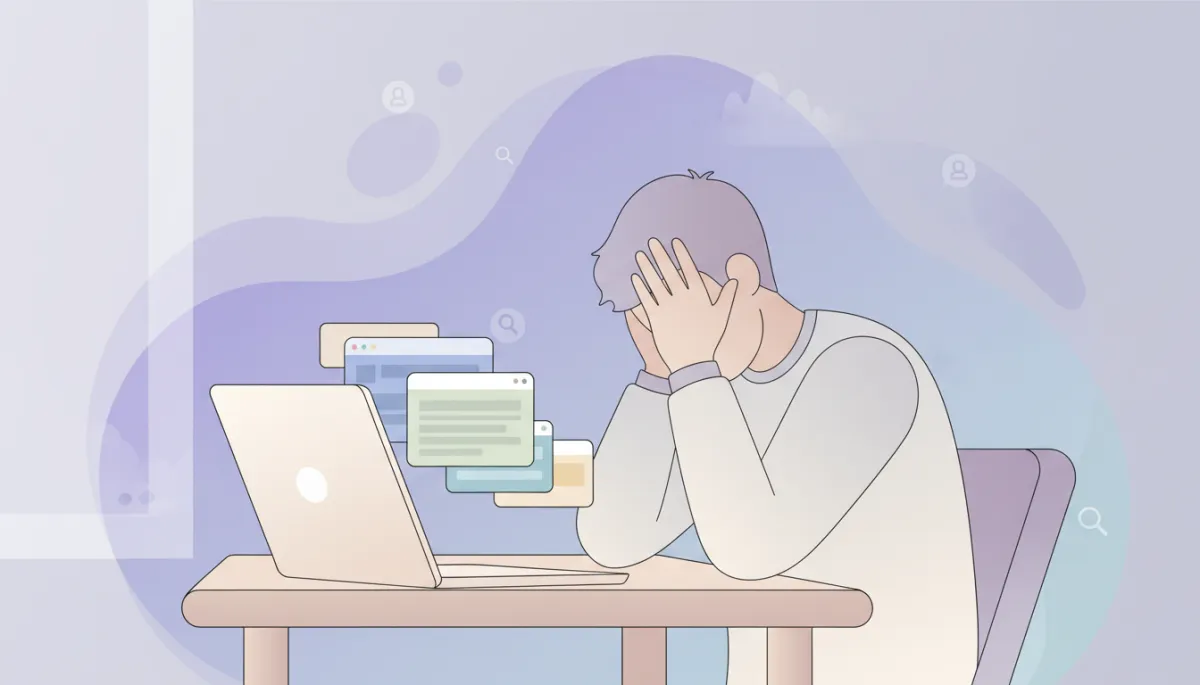
When the brain stays in threat mode, everyday tasks can start to feel overwhelming.
4. Why Slowing Down Feels So Difficult
One of the most frustrating parts of stress is that the very practices that help you relax, like pausing, breathing slowly, or checking in with your body, can feel almost impossible when you need them most. When your nervous system enters survival mode, it directs your attention outward. Your senses become sharper, and your brain encourages you to notice every sound, every email notification, every unfinished task. This is useful in genuine danger, but less helpful when the “threat” is an overflowing inbox or family pressures.
Turning your attention inward, to your breath, body, or emotions, can feel unfamiliar or even uncomfortable. Your brain may interpret slowing down as risky, because it has been primed to stay busy and alert. Recognising this can help you approach relaxation with patience rather than self-criticism.
5. A Simple Technique That Signals Safety
One gentle way to begin calming your nervous system is through heart-focused breathing. Instead of continuing to fixate on external stressors, you deliberately shift your attention inward. You might like to place your hand over the centre of your chest, slow your breathing, and bring your awareness fully to that area. There’s no need to force anything; you’re simply inviting your body to notice a different focus point.
This simple act can help your brain recognise that you are not in immediate danger. As your breathing slows, your nervous system begins receiving signals that it no longer needs to remain in full survival mode. Over time, this can support a shift from urgency and reactivity toward a steadier, more grounded state.
6. The Surprising Connection Between Your Heart and Brain
We often think of the heart purely as a pump, but it also plays an important role in how your body responds to stress. The heart communicates with the brain through the nervous and hormonal systems. When you slow your breathing and focus on the heart region, your body can release key biochemical messengers that support relaxation and resilience.
Nitric Oxide supports relaxation of blood vessels and healthy circulation, helping your body shift away from a tense, constricted state.
DHEA is a hormone associated with resilience and the body’s ability to recover from stress.
Oxytocin, sometimes called the “bonding hormone,” contributes to feelings of calm, trust, and emotional connection.
These natural responses can gently guide your system away from a stress-dominated state and toward greater emotional balance and ease.
7. Give Yourself Just Five Minutes
Many people assume they need long meditation sessions to feel any benefit, and that belief alone can become another source of pressure. In reality, just three to five minutes of heart-focused breathing can make a meaningful difference. The next time you feel overwhelmed, try this:
Sit or stand comfortably, with your feet supported.
Place your hand over the centre of your chest.
Breathe slowly and naturally, slightly lengthening your exhale if it feels comfortable.
Keep your attention on the sensation of your hand and your breathing.
Continue for several minutes, gently bringing your focus back whenever your mind wanders.
You don’t have to force yourself to feel instantly calm. Simply creating a small window for your nervous system to slow down is often enough to begin shifting how you feel, even if only slightly at first.
8. Small Daily Habits Can Build Greater Resilience
Stress is an unavoidable part of life, but staying locked in a constant stress response doesn’t have to be your default. Small, consistent practices can gradually retrain your nervous system to move more easily between states of alertness and rest. Heart-focused breathing is one such practice, and it can be combined with other simple habits like gentle movement, regular sleep routines, time in nature, or brief moments of stillness throughout your day.
Over time, these habits may help you:
Feel calmer and more grounded during challenging situations
Improve emotional regulation and reduce emotional “spikes”
Experience less mental overwhelm and racing thoughts
Increase focus, clarity, and a sense of presence throughout your day
9. Key Takeaways
Stress naturally activates your brain’s survival response; it is not a sign of weakness.
High beta brainwave activity increases alertness and vigilance but can feel exhausting when prolonged.
Your brain shifts attention outward when it perceives danger, making it harder to slow down and turn inward.
Heart focused breathing helps signal safety to your nervous system and supports a move away from survival mode.
Just a few minutes of slow, intentional breathing can support greater calm, clarity, and emotional balance.
10. Final Thoughts
If you’ve ever struggled to calm your mind during stressful moments, remember that your brain isn’t working against you; it’s trying to protect you. The difficulty is that modern life often keeps this protective system switched on long after the genuine threat has passed. By learning to redirect your attention inward through slow, intentional breathing gently, you can begin to support your nervous system and invite a greater sense of balance into your day-to-day life.
At Neurotherapy Australia, we are passionate about helping people better understand their brain and nervous system through science-informed assessments and personalised neurotherapy programs. If ongoing stress is affecting your quality of life, our team is here to help you explore evidence-based approaches to support your wellbeing and build lasting resilience.