Why Turning Your Attention Inward Can Help Calm Your Nervous System
Neuroscience, Nervous System Regulation, Mindfulness
Why Turning Your Attention Inward Can Help Calm Your Nervous System
SEO Title: Why Turning Your Attention Inward Can Help Calm Your Nervous System | Neurotherapy Australia
Meta Description: Learn how turning your attention inward, closing your eyes, and practising heart focused breathing can support nervous system regulation, stress relief, and emotional regulation. Discover the neuroscience behind survival mode and how Neurotherapy Australia supports brain health and resilience.
URL Slug: why-turning-your-attention-inward-calms-your-nervous-system
When stress pulls your attention in every direction, it can feel as if your mind is racing ahead of you. Understanding how your brain and nervous system respond to pressure can help you gently guide your body back towards calm, clarity, and safety.
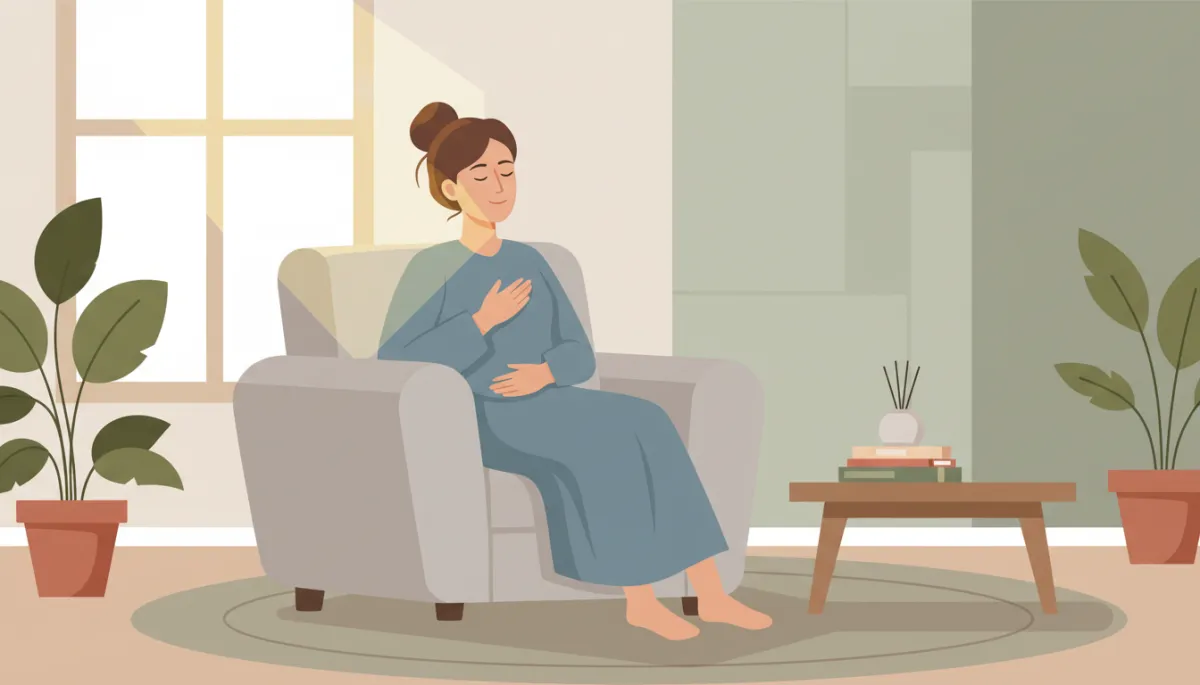
Engaging Introduction
Have you noticed that when you feel stressed, it becomes hard to switch off? Every email, notification, responsibility, or raised voice seems to grab your attention at once. Your breathing speeds up, your muscles tighten, and it can feel almost impossible to relax or think clearly.
This is not a sign that you are weak or “bad at coping”. It is your brain doing exactly what it was designed to do: protect you. When your system senses pressure or danger, it shifts into survival mode, sometimes called the fight or flight response. Your attention moves outward so you can scan for risk and respond quickly if needed.
The encouraging news is that you can learn simple ways to support nervous system regulation. One powerful step is to gently turn your attention inward. Closing your eyes, slowing your breathing, and focusing on your heart area can help signal safety to your brain and body, allowing your system to gradually settle.
💡 Gentle reminder: None of these practices are about forcing yourself to relax. They are about creating the right conditions for your nervous system to do what it naturally knows how to do: move back towards balance.
Why Stress Pulls Your Attention Outward
Your brain is constantly monitoring both your outer world and your inner world. It watches your environment for possible threats and also tracks your heart rate, breathing, and other body signals. When it senses stress, it prioritises external information so you can react quickly and stay safe.
A sudden noise might make you turn your head.
A difficult email might cause your chest to tighten.
A looming deadline might make your thoughts race ahead.
In these moments, your nervous system is acting as if there is a tiger in the room, even if the “tiger” is an overflowing inbox. Attention is pulled outward because, in a true emergency, watching the environment matters more than noticing your inner calm. This is a helpful response in short bursts, but when daily life keeps your system switched on, it can become exhausting and affect your brain health, sleep, mood, and energy over time.
The Brain’s Survival Response: A Simple Neuroscience Overview
From a neuroscience perspective, outward attention during stress is driven by several key brain regions working together. You do not need to remember their names, but understanding the pattern can make your experience feel more predictable and less personal.
The amygdala acts like an alarm system, scanning for potential danger and triggering the fight or flight response when it senses a threat.
The hypothalamus then activates the body’s stress systems, including the release of stress hormones such as adrenaline and cortisol.
The prefrontal cortex, the part of the brain that helps with planning, reflection, and emotional regulation, can become less active when the alarm is loud, making it harder to think clearly.
At the same time, your sympathetic nervous system increases heart rate, breathing, and muscle tension, preparing you to act. This is why you may feel restless, wired, or on edge, even if you are sitting still at your desk. Your system is primed for action, not for rest.
📌 Key insight: When you feel stuck in survival mode, your nervous system is not broken. It is doing its job, just a little too well and for a little too long.
How Reducing Sensory Input Supports Relaxation
Your brain is constantly processing signals from your senses: what you see, hear, feel, smell, and taste. Visual information in particular takes a lot of processing power. When you are stressed, this constant stream of data can keep your system on high alert, making it harder for your body to shift out of fight or flight.
How Closing Your Eyes Reduces External Stimulation
Simply closing your eyes can act like lowering the volume on the outside world. With less visual input to process, your brain has more space to notice your internal state: your heartbeat, your breathing, and the subtle sensations in your body. This gentle shift from outward to inward attention is a key part of nervous system support.
Less visual information means your brain can reduce its constant scanning for threat.
Your attention can move towards internal cues, such as the rise and fall of your chest.
This shift supports the activation of the parasympathetic nervous system, which is involved in rest, digestion, and recovery.
You are not trying to shut out the world forever. You are offering your nervous system a brief pause from constant stimulation so it can begin to settle and re-balance.
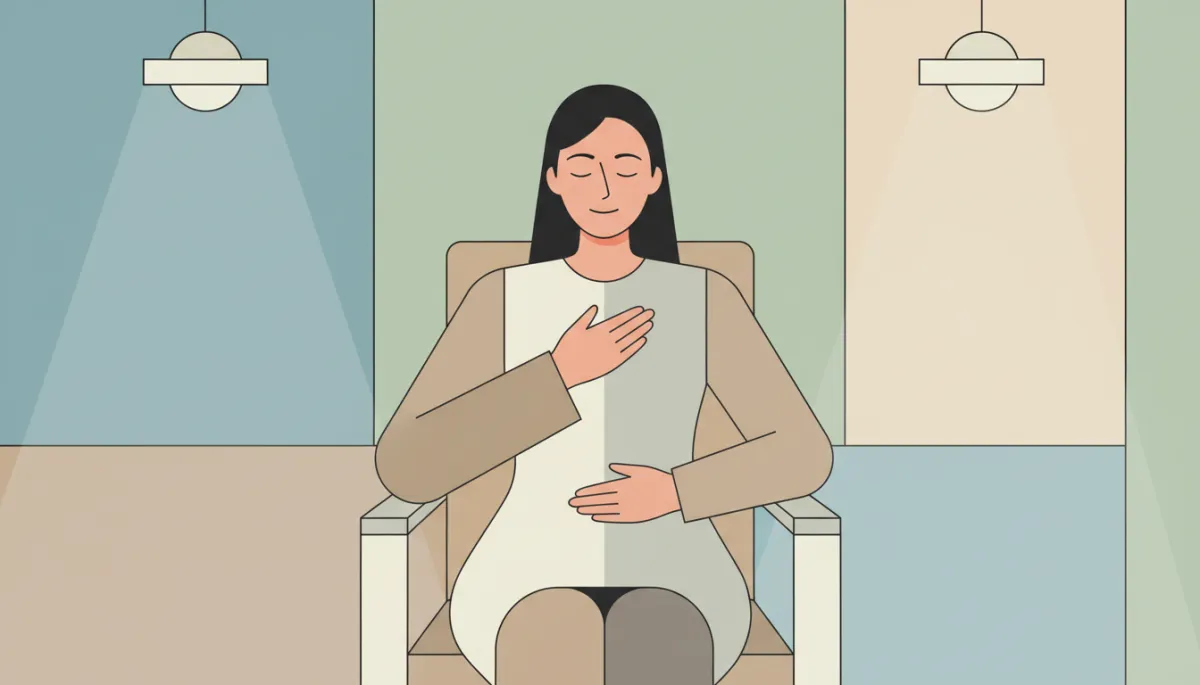
Combining closed eyes with slow breathing can gently reduce sensory load and support relaxation.
The Relationship Between the Heart, Brain, and Nervous System
Your heart and brain are in constant conversation. This communication happens through the autonomic nervous system and the vagus nerve, which connects the brainstem to the heart, lungs, and digestive system. Signals do not just travel from brain to body. They also travel from body to brain, shaping how you feel and how your brain interprets the world.
When you are stressed, your heart rhythm often becomes more irregular and jagged. When you are calm and breathing slowly, your heart rhythm tends to become smoother and more ordered. Research suggests that these patterns of heart activity can influence areas of the brain involved in emotional regulation, attention, and decision-making.
The Benefits of Heart Focused Breathing
Heart focused breathing is a gentle mindfulness practice that invites you to breathe slowly while placing your attention on the area around your heart. You might imagine that you are breathing in and out through your chest. You are not forcing any feeling or outcome. Instead, you are guiding your system into a pattern that tends to support calm and connection.
Slow, even breathing can support more balanced heart rhythms.
Smoother heart rhythms send signals to the brain that are often associated with safety and stability.
Over time, this may support improved stress relief, focus, and emotional steadiness.
At Neurotherapy Australia, we often use tools such as heart rate variability (HRV) monitoring and neurofeedback to help people see, in real time, how their breathing and attention patterns influence their nervous system. This can make the process of learning new skills feel more concrete and encouraging.
A Simple Practice You Can Try Today
The next time you notice your attention scattered and your body on edge, you might like to try this short exercise. It is designed to be simple, gentle, and easy to remember, even on a busy day.
Sit or stand comfortably, with your feet resting on the floor if possible.
Close your eyes, or soften your gaze if closing your eyes does not feel comfortable.
Place one hand over your heart, in the centre of your chest.
Place your other hand over your abdomen, just below your ribs.
Breathe slowly and evenly, in a way that feels gentle and sustainable. You might count to four on the in-breath and four on the out-breath, or choose a rhythm that suits you.
Continue for two to five minutes, or as long as feels comfortable today.
Notice, with curiosity rather than judgement, how your body begins to settle or change, even in small ways.
💡 Pro Tip: If your mind wanders, that is completely normal. Each time you notice your attention drifting, gently return it to the feeling of your hands on your chest and abdomen, and the movement of your breath.
A Developer’s Analogy for Inner Attention
As a senior software developer, you might think of this practice as moving from constant “production monitoring” of the outside world to briefly checking your “system metrics” on the inside. Instead of only watching external events, you pause to sample your own state and make small, supportive adjustments.
You do not need to “debug” every thought or feeling. You are simply giving your system a short, structured pause so it can re-balance itself.
Why Consistency Matters for Emotional Regulation and Resilience
Many people assume that they need long, silent retreats or hour-long meditations to change their stress patterns. In reality, your nervous system often responds well to small, regular moments of care. Just as you would not expect to build strength from one visit to the gym, your brain and body benefit from repeated practice over time.
Each short session of heart focused breathing is like a “repetition” for your nervous system.
Over time, your system can learn to move more easily from survival mode back to a calmer state.
This can support more stable emotional regulation and a greater sense of resilience in daily life.
From a neuroscience perspective, repeated practice can support changes in brain networks involved in attention, self-awareness, and stress responses. For many people, this translates into noticing early signs of overwhelm sooner, and having practical tools to respond before stress builds up too far.
💡 Start small: Even one to three minutes of inward attention, once or twice a day, can be a meaningful starting point. Consistency is more important than intensity.
Frequently Asked Questions
Is heart focused breathing a replacement for medical or psychological care?
No. Heart focused breathing is a gentle self-care practice that may support nervous system regulation and stress relief, but it is not a treatment for medical or mental health conditions. If you have concerns about your health, mood, or functioning, it is important to seek support from a qualified health professional.
What if closing my eyes makes me feel uncomfortable?
For some people, closing their eyes can feel uneasy, especially if they have experienced high levels of stress or trauma. If this is the case for you, you might try softening your gaze instead, looking down towards your hands or a neutral spot on the floor. You can still focus on your breath and heart area without fully closing your eyes.
How often should I practise to notice benefits?
There is no single “right” amount. Many people find it helpful to start with one to three minutes, once or twice a day, and gradually build from there. The key is to choose an amount that feels realistic and kind to yourself, rather than adding more pressure to your day.
How does Neurotherapy Australia use these principles in practice?
At Neurotherapy Australia, we use evidence-informed tools such as brain mapping, neurotherapy, neurofeedback, and HRV training to help people understand their unique brain and nervous system patterns. We then design personalised programs that may include breathing practices, attention training, and lifestyle strategies to support long-term brain health and wellbeing. Our approach is collaborative, compassionate, and tailored to each person’s goals and circumstances.
Key Takeaways
Stress naturally directs your attention outward as your brain enters survival mode and scans your environment for potential danger.
Closing your eyes and reducing sensory input can lower the “noise” your brain is processing, making it easier to notice your internal state and support relaxation.
Heart focused breathing combines slow, even breathing with gentle attention to the heart area, supporting communication between the heart, brain, and nervous system.
Consistent, brief practices can help your system learn to move more easily from fight or flight back towards a calmer, more regulated state, supporting emotional regulation and resilience over time.
Neurotherapy Australia offers evidence-informed assessments and personalised programs that integrate these principles to support nervous system regulation and long-term brain health.
Conclusion
Stress will always be part of being human, but feeling constantly on edge does not have to be your default state. When your attention is pulled outward by pressure, noise, and uncertainty, your nervous system is doing its best to protect you. At the same time, it can become stuck in patterns of survival mode that leave you feeling tired, wired, and disconnected from yourself.
Turning your attention inward, even for a few minutes at a time, offers your system another option. By closing your eyes, placing your hands on your heart and abdomen, and practising slow, heart focused breathing, you create conditions that can gently support nervous system regulation. You are not forcing calm. You are inviting it, through simple signals of safety and presence.
Over time, these small moments of inward attention can contribute to improved emotional regulation, greater resilience, and a more stable sense of wellbeing. They sit alongside, not instead of, professional care and support. For many people, they become a practical way to participate in their own healing and growth, one breath at a time.
Call to Action: How Neurotherapy Australia Can Support You
If you are curious about how your brain and nervous system are responding to stress, or you would like support in building sustainable regulation skills, the team at Neurotherapy Australia is here to help. We combine neuroscience, neurotherapy, neurofeedback, and evidence-informed wellbeing practices to create personalised programs that respect your unique story and goals.
To learn more about our approach to nervous system support and brain health, or to explore whether our services may be suitable for you or your family, we invite you to contact our team or book a consultation. Together, we can explore practical ways to help your nervous system move from constant survival mode towards greater balance, clarity, and calm.