How Stress Impacts Brain and Nervous System
Brain Health, Stress Response, Nervous System Regulation
How Stress Changes the Brain
Learn how ongoing stress may influence your brain, nervous system and daily wellbeing, and discover practical ways to support regulation.
Stress Is More Than a Feeling
Stress is a normal part of life. Deadlines, family responsibilities, financial pressure or sudden change can all place demands on you. You might notice stress as worry, tension in your shoulders or a racing mind. But stress is more than a feeling. When your brain perceives a demand, challenge or potential threat, it activates systems designed to help you respond and stay safe.
In the short term, this response can be helpful. It can support you to stay alert, focused and ready to act when you need to. However, when stress becomes ongoing, the brain and nervous system may remain engaged for longer than they need to be. Over time, this can be associated with changes in how you think, feel, sleep and respond to everyday demands. Understanding how stress changes the brain can be an important step towards caring for your overall brain health and wellbeing.
What Happens in the Brain During Stress?
Your brain is always working in the background, taking in information from your senses and from inside your body. It is constantly asking, “Am I safe enough right now?” This ongoing process is sometimes called threat detection. It does not only relate to physical danger. It can also include emotional, social or financial pressures that feel important to you.
The Amygdala: Early Warning System
Deep inside the brain sits a small structure called the amygdala. You can think of it as part of your early warning system. The amygdala helps detect possible threats and can trigger a stress response very quickly. When the amygdala senses danger, it sends signals to other parts of the brain and body to prepare you to act. This may happen before you have even had time to think the situation through.
The Prefrontal Cortex: Planning and Perspective
Towards the front of the brain is an area called the prefrontal cortex. This region is involved in attention, planning, decision-making and emotional regulation. It helps you weigh up options, think ahead and consider the bigger picture. In calmer moments, the prefrontal cortex can help you respond thoughtfully instead of reacting on impulse.
During stress, the amygdala can become more active, while the prefrontal cortex may be less involved in the moment. This shift can make it harder to focus, think clearly or see different perspectives. Your attention may narrow to the most immediate concern, which can be useful if you need to act quickly, but less helpful if you are trying to solve a complex problem or have a calm conversation.
Attention, Decision-Making and the Stress Response
When the brain detects a demand, attention often shifts towards possible threats. You may find yourself scanning for problems, replaying conversations or imagining “what if” scenarios. This can be part of the brain’s attempt to prepare you. At the same time, decision-making can feel harder. You may feel “stuck”, jump to quick decisions or struggle to weigh up choices in the way you usually would. These changes in attention and decision-making are one way the effects of stress on the brain may show up in everyday life.
The Nervous System and the Body’s Stress Response
The brain does not respond to stress on its own. It works closely with the nervous system, which includes the brain, spinal cord and nerves throughout the body. When the amygdala signals that something may be threatening, the body’s stress response can activate very quickly. Hormones such as adrenaline and cortisol are released, heart rate may increase and muscles may prepare for action. This is sometimes called the “fight, flight or freeze” response.
This stress nervous system response is designed to protect you in a genuine emergency, such as swerving to avoid a car accident or responding to a sudden loud noise. The challenge can come when the brain continues to perceive high levels of demand, even when there is no immediate danger. In these situations, it may be harder for the system to shift back towards a calmer, more balanced state.
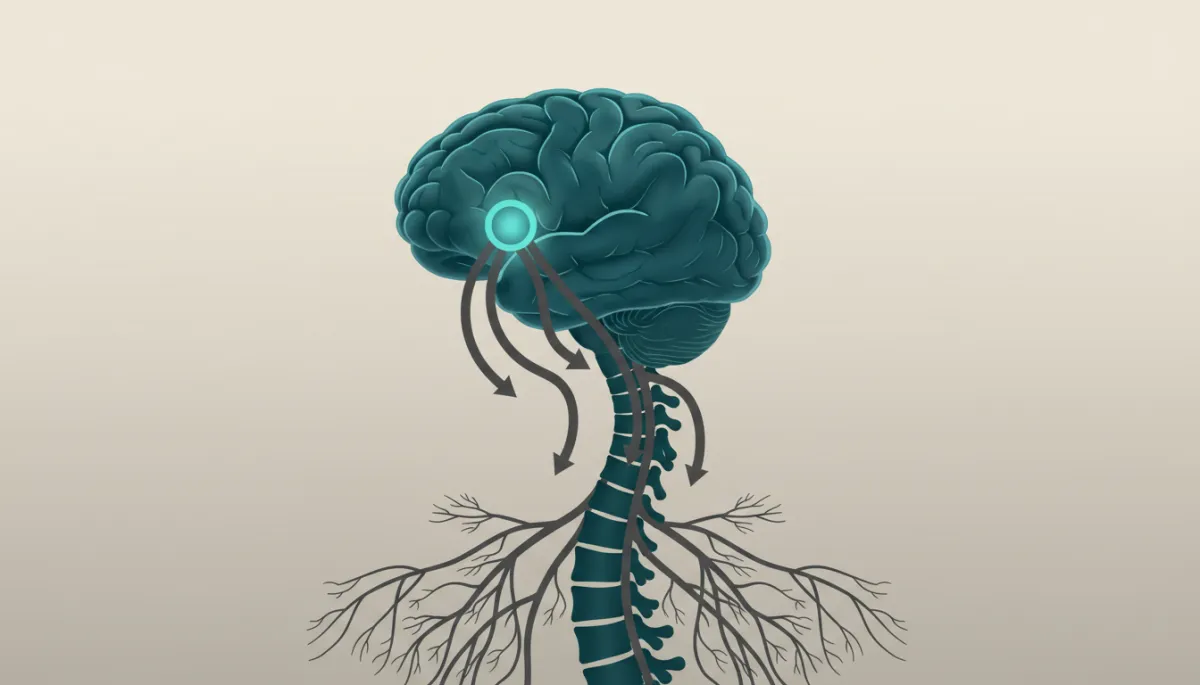
The brain and nervous system work together to detect demands and prepare the body to respond.
When Stress Becomes Chronic
Not all stress is harmful. Short-term stress, such as preparing for an exam, giving a presentation or navigating a busy day, can be a normal part of life. In these situations, the stress response turns on to help you meet the demand, and then, ideally, turns back down when the situation passes. Your brain and body have a chance to recover, and your stress response returns closer to baseline.
Chronic stress and brain changes are more likely to be discussed when stress is frequent, intense or prolonged, and when there is limited time for recovery. This might include ongoing workplace pressure, caring responsibilities, financial strain or living in a highly uncertain environment. In these situations, the brain may continue to detect high levels of demand, and the nervous system may stay in a more activated state for longer periods. Over time, this may influence several areas of stress and brain health.
Focus and Concentration
Ongoing stress may influence the brain networks involved in attention. You might notice that concentrating on tasks feels harder, or that you jump between activities without finishing them. For some people, this can feel like “brain fog” or mental clutter. These changes can be associated with the brain prioritising threat detection over sustained focus on one task.
Memory and Learning
Chronic stress may also be associated with changes in memory. You might find it harder to remember details, recall names or learn new information. The brain regions involved in forming and storing memories can be sensitive to prolonged stress hormones. While research is ongoing, many studies suggest that long-term stress may contribute to difficulties with both short-term and longer-term memory in some people.
Emotional Regulation and Mood
The balance between the amygdala and prefrontal cortex is important for emotional regulation. When stress is ongoing, the amygdala may become more reactive, while the prefrontal cortex may find it harder to “step in” and provide calm perspective. This can be associated with feeling more irritable, overwhelmed or emotionally sensitive. Mood may also be affected, with some people noticing more frequent low moods or worry over time.
Sleep and Energy
Sleep is one of the key times when the brain and body recover. Ongoing stress may make it harder to fall asleep, stay asleep or wake feeling rested. You may notice a racing mind at night, or wake earlier than you would like. Over time, reduced sleep can influence daytime energy, focus and mood. This can create a cycle where tiredness makes stress feel more intense, and stress makes it harder to rest. These patterns may contribute to changes in overall brain health.
Stress Reactivity and Sensitivity
When the nervous system has been in a heightened state for a long time, it may become more sensitive. Situations that once felt manageable may now feel overwhelming. This is sometimes described as increased stress reactivity. The brain may more quickly label situations as threatening, and the body may move into a stress response with less warning. This can be frustrating, especially if you feel you “should” be able to cope. It is important to remember that these responses are often shaped by the brain and nervous system, not by personal failure or weakness.
📌 Key Takeaway: Short-term stress can be useful, but frequent or prolonged stress may be associated with changes in focus, memory, emotional regulation, sleep, energy, mood and how strongly you react to everyday demands.
Why Your Nervous System Matters
The brain and nervous system are deeply connected. The brain helps interpret what is happening, and the nervous system helps carry signals throughout the body. Together, they support your ability to respond to internal and external demands, such as a busy workload, a difficult conversation or a change in routine. When we talk about nervous system regulation, we are describing how well this system can move between different states as needed, and then return towards a more balanced state when the demand has passed.
Regulation is not about never feeling stressed. Stress will always be part of life. Instead, regulation is about supporting your capacity to respond to challenges and then gradually settle again. A more regulated nervous system may help you notice stress earlier, use supportive strategies and recover more effectively after demanding periods. Over time, this may contribute to healthier stress and brain health patterns.
Can the Brain Adapt? Introducing Neuroplasticity
One of the most encouraging findings in neuroscience is that the brain can change throughout life. This ability is called neuroplasticity. Neuroplasticity means that the brain can adapt in response to experiences, learning and repeated patterns. Pathways that are used more often can become stronger over time, while those that are used less may become less active. This is one reason habits and routines can have an ongoing influence on how the brain functions.
It is important to approach neuroplasticity with care. It does not mean that the effects of stress on the brain simply disappear, or that change happens quickly or easily. It also does not guarantee that any specific technique will work in the same way for every person. Rather, neuroplasticity suggests that, over time, supportive experiences and patterns may contribute to healthier brain function and nervous system regulation. Small, consistent changes can be part of this process.
Practical Ways to Support Regulation
There is no single strategy that suits everyone. Individual responses can vary, and it is important to consider your own health needs and to seek professional support when required. However, several everyday habits may support general wellbeing, nervous system regulation and overall brain health.
Slow, Rhythmic Breathing
Taking time for slow, rhythmic breathing may help create a calmer physiological state. Gently lengthening your exhale, for example, can send signals through the nervous system that may be associated with a shift towards a more settled state. Even a few minutes of steady breathing can be a way of pausing and checking in with how you are feeling. While breathing practices do not remove the source of stress, they may support the body’s ability to move out of a highly activated state when it is safe to do so.
Consistent Sleep Routines
Sleep is a key time for recovery, memory processing and brain repair. Aiming for a relatively consistent bedtime and wake time can support the body’s internal clock. Simple habits, such as dimming lights in the evening, limiting stimulating screens before bed and creating a wind-down routine, may help signal to your nervous system that it is time to settle. Again, responses differ between individuals, but supporting sleep can be an important part of caring for stress and brain health.
Regular Physical Activity
Movement can play a role in both physical and mental wellbeing. Regular physical activity may support mood, energy and sleep quality. It can also provide a natural outlet for some of the energy created by the stress response. For some people, this might mean walking, swimming, cycling, yoga, team sport or gentle stretching. The type and intensity of movement that feels supportive will vary from person to person, and it is important to consider any medical advice you have been given.
Time Away from Ongoing Stressors
When possible, periods away from ongoing demands may give your nervous system a chance to settle. This does not always mean long holidays. It can include small breaks in your day, such as stepping outside for a few minutes, taking a lunch break away from your desk or setting gentle boundaries around work and technology. These pauses can help interrupt the cycle of constant activation and may support recovery over time.
Relaxation and Recovery Periods
Relaxation does not have to look a certain way. For some people, it may be reading, listening to music, spending time in nature or enjoying a quiet hobby. For others, it may involve creative activities or gentle social time. What matters is that your brain receives a clear signal that it does not need to stay in high alert mode. Regular recovery periods may support the nervous system’s ability to return towards balance after stress.
Mindful Awareness
Mindful awareness involves gently noticing what is happening in the present moment, without judgement. This might include paying attention to your breathing, body sensations or thoughts as they come and go. Over time, mindful awareness may help you recognise your own stress signals earlier, such as a tight chest, faster breathing or a busy mind. This awareness can support more informed choices about when to pause, slow down or seek support. Individual experiences with mindfulness can differ, and it may be helpful to explore approaches that feel safe and manageable for you.
Social Connection
Supportive relationships can play an important role in stress and brain health. Feeling understood, heard and connected may help the nervous system feel safer and more settled. This might involve spending time with trusted friends or family, joining a community group or speaking with a health professional. Connection does not remove stress, but it may change how the brain and nervous system experience and respond to it.
💡 Pro Tip: Choose one or two small, realistic strategies to explore first. Consistent, manageable changes are often more sustainable than trying to change everything at once.
Understanding Your Individual Patterns
People experience stress in different ways. Two individuals can go through similar situations and respond very differently. One person may feel energised by deadlines, while another may feel overwhelmed. Some may notice stress mainly in their body, such as headaches or muscle tension, while others may notice changes in mood, sleep or thinking. These differences can relate to many factors, including genetics, past experiences, health, environment and current life circumstances. Your individual brain and nervous system patterns also play a role.
Because of this, personalised information can be valuable. At Neurotherapy Australia, the Brain & Nervous System Assessment is designed to explore individual brainwave patterns alongside your personal experiences, goals and other relevant information. This process may include a quantitative EEG (qEEG), which measures electrical activity at the surface of the scalp, as well as a detailed discussion of your history and current concerns.
It is important to note that a qEEG is not used to diagnose stress, anxiety, depression or other medical, psychological or neurological conditions. Instead, it can provide another layer of information about how your brain is currently functioning. When combined with your lived experience, this information may help you better understand your own patterns of stress, attention, mood and regulation, and consider practical next steps that are relevant to you.
UNDERSTANDING IS THE FIRST STEP
You may not always be able to see what is happening beneath the surface, but the brain and nervous system are constantly working to help you respond to life’s demands. Recognising how stress changes the brain and how ongoing stress may influence focus, memory, emotional regulation, sleep, energy and mood can be an important first step. This understanding can shift the question from “What is wrong with me?” towards “What might my brain and nervous system need right now?”
The goal is not to eliminate every stressful experience. That is not realistic, and some stress will always be part of daily life. Instead, the focus is on developing greater awareness, understanding your individual patterns and exploring practical ways to support your brain and nervous system. Small, informed changes over time may contribute to healthier stress responses and improved overall wellbeing.
If you would like to learn more about your own brain and nervous system, you may wish to explore Neurotherapy Australia’s Brain & Nervous System Assessment. This assessment is designed to provide a clearer picture of your current patterns and to support more informed decisions about your next steps.