Slow Breathing: Boost Your Nervous System & Reduce Stress
Neurotherapy, Nervous System Regulation, Stress Relief
How Slow, Rhythmic Breathing Supports Your Nervous System and Helps Reduce Stress
Meta description: Discover how slow, rhythmic breathing supports nervous system regulation, stress relief, and heart–brain connection for better mental wellbeing.
URL slug: how-slow-rhythmic-breathing-supports-your-nervous-system
Slow, rhythmic breathing is a simple yet powerful way to support nervous system regulation, improve emotional balance, and ease the effects of chronic stress. This article explains how it works and how to get started safely.
Engaging Introduction
Many people live with a constant sense of being “switched on”. You might notice a tight chest, racing thoughts, poor sleep, or feeling snappy with people you care about. This is often a sign that your nervous system is spending too much time in a state of chronic stress and not enough time in rest and recovery mode.
The good news is that you do not always need complex tools to begin supporting your brain health and mental wellbeing. One of the most accessible ways to encourage nervous system regulation is already with you: your breath. Slow, rhythmic breathing can help calm the body, steady the mind, and restore the natural communication between your heart, brain, and vagus nerve.
At Neurotherapy Australia, we work with people who want practical, evidence-informed strategies to support resilience and emotional regulation. In this article, we explore how stress affects the nervous system, why the heart–brain connection matters, and how simple breathwork practices can become a reliable daily tool for stress relief and improved wellbeing.
Why Stress Disrupts the Nervous System
Your nervous system is designed to help you respond to challenges and then return to balance. Under short-term stress, the body activates the “fight or flight” response: your heart beats faster, breathing becomes shallow, and muscles tense to prepare for action. This is helpful in genuine emergencies, but modern life often keeps this response switched on for far too long.
When stress becomes ongoing, the brain and body can start to treat everyday events as threats. Emails, traffic, work deadlines, or family pressures may trigger the same biological response as real danger. Over time, this chronic stress can make it harder for the nervous system to switch back into a calm, restorative state. You may notice:
Difficulty relaxing or “switching off” at the end of the day
Ongoing muscle tension, headaches, or digestive discomfort
Racing thoughts, worry, or feeling easily overwhelmed
Trouble concentrating or making decisions clearly
Long-term activation of the stress response can also affect brain health, emotional regulation, and sleep quality. The nervous system becomes more reactive and less flexible, which means it may take only a small trigger to feel flooded with anxiety or irritation. Supporting nervous system regulation is about helping the body regain this flexibility, so it can respond when needed and then settle again.
The Connection Between the Heart, Brain and Vagus Nerve
Your heart and brain are in constant conversation. This communication happens through electrical signals, hormones, and a major nerve called the vagus nerve. The vagus nerve is a key part of the parasympathetic nervous system, often described as the “rest and digest” system. It runs from the brainstem down through the chest and abdomen, connecting to the heart, lungs, and digestive organs.
Signals travel both ways along this pathway. While the brain sends instructions to the body, the heart and other organs also send rich information back to the brain. This feedback helps the brain decide whether the environment feels safe or threatening and influences mood, attention, and emotional regulation. When the vagus nerve is functioning well, it supports a flexible shift between activation and calm, which underpins resilience in daily life.
Under chronic stress, this heart–brain connection can become less balanced. The body may stay in a pattern of fast heart rate, shallow breathing, and reduced vagal activity. This can make it harder to feel grounded, even when nothing dangerous is happening. Practices that gently stimulate the vagus nerve, such as slow breathing, can help signal to the brain that it is safe to relax and restore.
How Slow Rhythmic Breathing Supports Nervous System Regulation
Slow, rhythmic breathing is a way of consciously working with the body’s own calming systems. By breathing in gently for around five to six seconds and breathing out for five to six seconds, you create a steady rhythm that the nervous system can follow. This pattern is often close to what researchers call “resonant” or “coherent” breathing, a rate that tends to support healthy heart–brain communication for many adults.
When you slow your breath in this way, several helpful changes can occur:
The diaphragm moves more fully, supporting deeper, more efficient breathing rather than shallow chest breathing.
The vagus nerve is gently stimulated, which can increase parasympathetic activity and signal the body to move out of “fight or flight”.
Heart rate begins to follow the breathing rhythm, supporting heart rate variability, a marker linked with flexibility and resilience in the nervous system.
Over time, practising slow breathing can help your body recognise what calm feels like again. This does not remove stress from life, but it may improve how quickly you can return to a more balanced state after challenges. For many people, this supports better mental wellbeing, clearer thinking, and more stable mood.
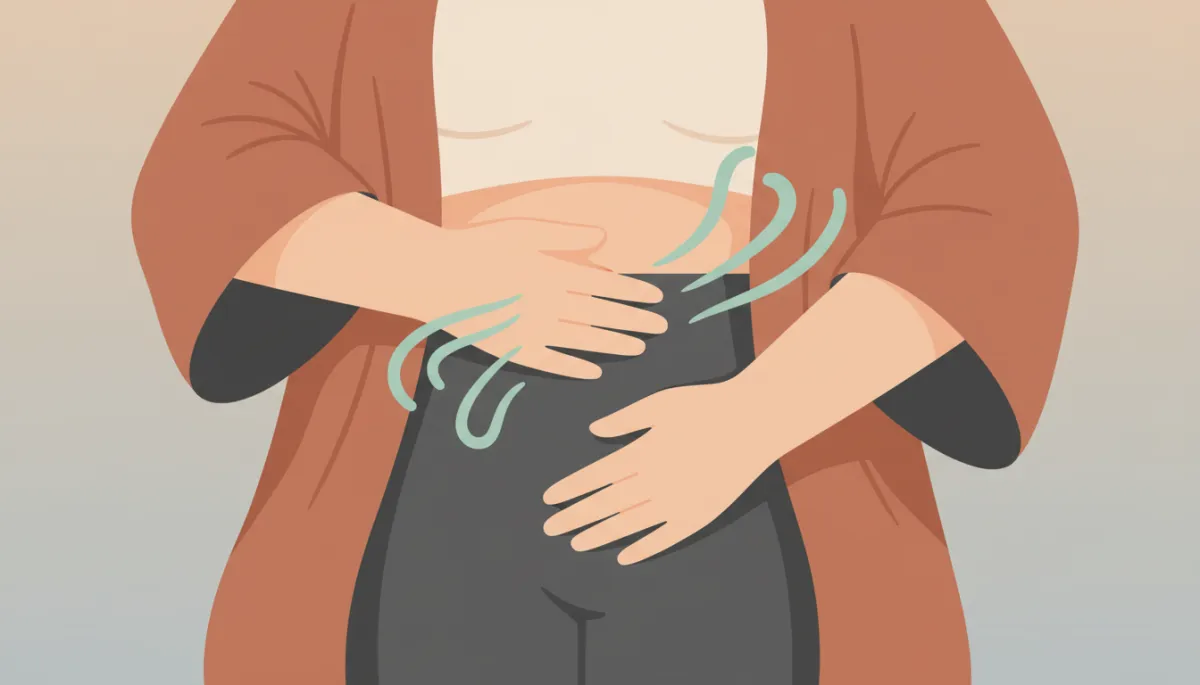
Gentle diaphragmatic breathing can support vagus nerve activity and heart–brain balance.
The Science Behind Heart–Brain Communication
The heart does not beat at a perfectly steady pace. Instead, the time between each heartbeat naturally changes from moment to moment. This variation is called heart rate variability (HRV). Higher, more flexible HRV is generally associated with better nervous system regulation, emotional regulation, and overall health, while very low HRV can be linked with chronic stress and reduced resilience.
Slow breathing can influence HRV in a helpful way. When you breathe in, your heart rate tends to rise slightly; when you breathe out, it tends to fall. At a breathing rate of around five to six breaths per minute, the heart and lungs can move into a kind of synchronised rhythm. This pattern sends organised, calming signals from the heart to the brain, which may support clearer thinking, steadier mood, and improved brain health over time.
Research into heart–brain communication and HRV is ongoing, and results can vary between individuals. However, many studies suggest that slow, rhythmic breathing can be a useful, low-cost tool to complement other approaches to stress relief and mental wellbeing. It is one of several strategies used alongside neurotherapy and other evidence-informed methods to help people build resilience and support nervous system regulation.
Step by Step Breathing Exercise
A Simple 2–3 Minute Practice
The following exercise is a gentle starting point. If at any time you feel light-headed, uncomfortable, or short of breath, return to your normal breathing and rest. If you have any medical or respiratory conditions, please seek advice from your health professional before beginning new breathwork practices.
Find a comfortable position. Sit upright in a chair with your feet on the floor, or lie down if that feels better. Allow your shoulders to relax and rest your hands on your lap or abdomen.
Gently notice your natural breath. Without changing anything at first, pay attention to the feeling of air moving in and out. Notice where you feel the breath most clearly – in your nose, chest, or belly.
Begin slow, rhythmic breathing. Inhale gently through your nose for about 5 to 6 seconds. The breath should feel smooth, not forced. Then exhale gently through your nose or mouth for about 5 to 6 seconds. Aim for a steady, even rhythm.
Keep the breath smooth and comfortable. Avoid taking very deep or strained breaths. Instead, think of “soft” breathing – just a little slower and fuller than usual. If 5 to 6 seconds feels too long, shorten the count slightly while keeping the inhale and exhale roughly equal.
Continue for 2 to 3 minutes. Stay with this slow breathing pattern for a few minutes. You might like to silently count “1–2–3–4–5” on the inhale and “1–2–3–4–5” on the exhale to keep the rhythm steady.
Observe how your body and mind begin to settle. Notice any small changes: perhaps your shoulders soften, your jaw unclenches, or your thoughts slow down a little. There is no right or wrong outcome – simply observe with curiosity.
💡 Pro tip: Start with just a couple of minutes once or twice a day. As your nervous system becomes more familiar with this pattern, you can gradually increase the time if it feels comfortable.
Benefits of Daily Breathwork
While experiences vary, many people who practise slow breathing regularly report a range of benefits. These often build gradually over weeks and months, rather than appearing instantly. Some potential benefits of daily breathwork include:
Improved stress relief: A calmer baseline in the nervous system can make everyday stressors feel more manageable and less overwhelming.
Better emotional regulation: When the body is less reactive, it may be easier to pause, reflect, and respond thoughtfully rather than react impulsively.
Support for mental wellbeing: Slow breathing can complement other strategies for anxiety, low mood, or burnout by helping the body feel safer and more settled.
Enhanced resilience: Over time, a more flexible nervous system may bounce back more quickly after challenges or emotional upsets.
Support for heart–brain connection: Regular practice may promote healthier heart rate variability and more balanced vagus nerve activity, which are linked with overall brain health and body regulation.
Breathwork is not a cure-all and should not replace medical care, therapy, or other treatments. However, as a simple daily habit, it can be a valuable part of a broader plan for nervous system regulation and long-term wellbeing.
Practical Tips for Building a Daily Practice
Like any new skill, slow breathing becomes more natural with regular practice. Here are some practical ways to weave it into your day:
Start small and consistent. Two to five minutes once or twice a day is enough to begin. Consistency is more important than long sessions.
Link it to existing routines. Try practising after brushing your teeth, before checking emails, or while waiting in the car (parked) to build the habit more easily.
Use gentle reminders. Set a quiet alarm on your phone, place a note near your desk, or use a breathing app as a guide if you find that helpful.
Stay curious, not critical. Some days your mind will be busy or your body may feel unsettled. This is normal. Notice what is present and return kindly to the breathing rhythm without judgement.
Adjust to your needs. If 5 to 6 seconds feels too long, reduce the count slightly. If you feel sleepy, try practising earlier in the day or in a seated position with your eyes open.
📌 Key reminder: The aim is not to breathe “perfectly” but to offer your nervous system regular moments of calm, predictable rhythm.
Frequently Asked Questions
1. How often should I practise slow breathing?
Many people find benefit from practising slow breathing for 5 to 10 minutes a day, split into shorter sessions if needed. Even 2 to 3 minutes can be helpful, especially during stressful moments. The key is regularity. Over time, daily practice can support more stable nervous system regulation and improved resilience.
2. Can slow breathing replace medication or therapy?
No. Slow, rhythmic breathing is a supportive tool, not a replacement for professional care. It can complement medical treatment, psychological therapy, and neurotherapy by helping calm the body and improve heart–brain connection. Always speak with your doctor or treating clinician before changing any treatment plan.
3. What if I feel worse when I focus on my breathing?
Some people feel uncomfortable or more anxious when they first pay close attention to their breath, especially if they have a history of panic, trauma, or breathing difficulties. If this happens, shorten the practice, keep your eyes open, and focus gently on an external object while breathing slowly. You may also wish to explore breathwork under the guidance of a qualified clinician or practitioner experienced in nervous system regulation.
4. How does this relate to neurotherapy?
Neurotherapy uses tools such as neurofeedback and other brain-based interventions to support brain health and nervous system regulation. Slow breathing can be a helpful companion to neurotherapy by encouraging a calmer physiological state, supporting heart rate variability, and reinforcing the brain’s capacity for self-regulation. At Neurotherapy Australia, breathwork may be one of several practical strategies discussed as part of a personalised care plan.
5. Is there a “right” breathing rate for everyone?
No. While many adults respond well to a rhythm of about five to six seconds in and five to six seconds out, individual needs can differ. Factors such as age, health conditions, and fitness can influence what feels comfortable. It is important to listen to your body and adjust the pace so that breathing remains gentle and sustainable rather than forced.
6. How long does it take to notice changes?
Some people notice a slight sense of calm or clarity even after a single session. For others, changes are more gradual. Like strengthening a muscle, supporting the vagus nerve and heart–brain connection through slow breathing usually requires regular practice over weeks and months. The goal is steady, realistic improvement rather than quick fixes.
7. Can children or older adults use slow breathing?
Slow, gentle breathing can be adapted for many age groups, but the timing and approach may need to be adjusted. For children, using shorter counts and playful imagery often works better. Older adults or people with health conditions should check with their health professional first and keep the practice very comfortable. A clinician experienced in breathwork and nervous system regulation can help tailor the approach safely.
Key Takeaways
Chronic stress can keep the nervous system in a heightened state, making it harder to relax, think clearly, and regulate emotions.
The heart, brain, and vagus nerve are closely linked, and their communication plays a key role in nervous system regulation and resilience.
Slow, rhythmic breathing at around five to six seconds in and out can support vagal activity, heart rate variability, and the heart–brain connection.
A simple 2–3 minute breathwork practice can be a practical daily tool for stress relief, emotional regulation, and mental wellbeing when used consistently.
Slow breathing is not a stand-alone cure but can complement neurotherapy and other evidence-informed approaches offered by Neurotherapy Australia.
Conclusion
Life’s demands are unlikely to disappear, but how your nervous system responds to them can change. Slow, rhythmic breathing offers a gentle, accessible way to support nervous system regulation, calm the stress response, and encourage healthier heart–brain communication. By practising a simple breathing exercise for just a few minutes each day, you can begin to offer your body and mind regular opportunities to reset.
Over time, this small daily habit may contribute to improved emotional regulation, clearer thinking, and greater resilience in the face of ongoing challenges. It is one practical step among many that can support brain health and mental wellbeing. When combined with evidence-informed care, such as neurotherapy and other therapeutic approaches, slow breathing can become a valuable part of a holistic plan for long-term nervous system health.
Call to Action: Learn More With Neurotherapy Australia
If you are curious about how slow breathing, heart–brain connection, and neurotherapy might support your own journey toward better stress relief and nervous system regulation, professional guidance can be helpful. The team at Neurotherapy Australia focuses on evidence-informed approaches to brain health, resilience, and emotional wellbeing, and can help you explore which strategies are most appropriate for your situation.
To learn more about neurotherapy, heart rate variability, and practical tools for supporting your nervous system, we invite you to visit the Neurotherapy Australia website or contact the clinic to discuss your needs. Booking a consultation can be a first step towards understanding your unique nervous system and developing a personalised plan that may include breathwork alongside other supportive interventions.