Understanding qEEG Brain Mapping: A Comprehensive Guide
Neuroscience, qEEG brain map, Brain & Nervous System Assessment
What Is a Brain Map or qEEG?
Understand what a qEEG brain map measures, what your results can reveal about brain activity, and how personalised information can help guide practical next steps in a calm, structured way.
1. Introduction: A Clear View of Brain Activity
Have you ever wondered whether there is a way to better understand how your brain is functioning?
A qEEG (quantitative electroencephalogram), often referred to as a brain map, provides a way of measuring and analysing electrical activity in the brain. Rather than simply asking how you feel, a qEEG looks at patterns of brainwave activity and provides data that can be explored alongside your individual experiences, goals and concerns.
2. What Does a qEEG Measure?
Your brain is continuously producing electrical activity. This activity changes depending on what you are doing and your current state. A qEEG records brainwave activity using sensors placed on the scalp, then analyses the data to identify patterns across different areas of the brain.
These patterns may provide insight into areas such as:
Attention and focus
Relaxation and arousal
Sleep-related patterns
Brainwave activity
Regulation and overall brain function
The important point is that the assessment is about understanding patterns, not putting a label on you.
Key Areas at a Glance
Area | Focus of Observation |
|---|---|
Attention & Focus | How brainwave patterns relate to sustained and shifting attention. |
Relaxation & Arousal | Balance between calmer and more activated brain states. |
Sleep-Related Patterns | Activity linked to rest, recovery and sleep-related rhythms. |
Regulation & Function | How different regions may be communicating and regulating together. |
3. What Is a Brain Map?
The term “brain map” is commonly used to describe the visual representation and analysis of qEEG data. Instead of looking at one number, the assessment can provide a broader picture of brainwave activity across different regions.
This visual overview can make complex information easier to understand. It can also help identify patterns that may be worth exploring further with your practitioner, in the context of your day-to-day experiences and goals.
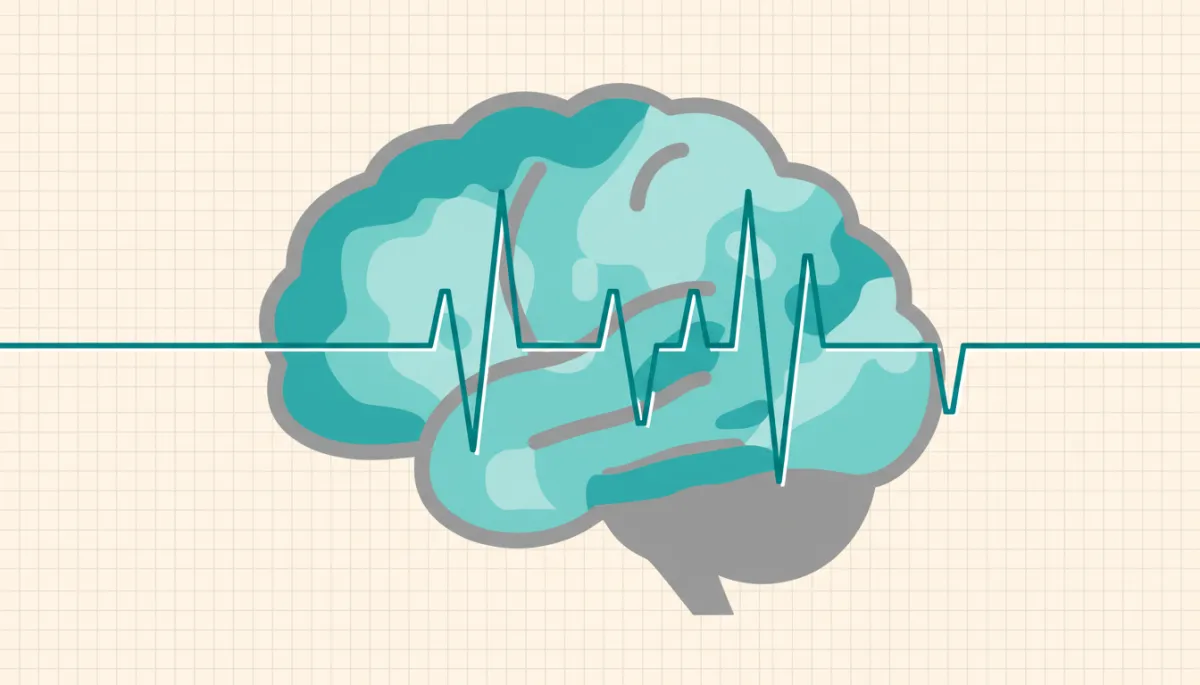
A qEEG brain map presents complex electrical activity as an interpretable visual pattern.
4. Why Is This Information Useful?
Everyone's brain is different. Two people may experience similar challenges with stress, focus or sleep, but the underlying patterns may not be exactly the same. This is why a personalised approach can be valuable.
A qEEG brain map can provide additional information that helps practitioners understand an individual's patterns and consider what strategies may be appropriate for their goals. The emphasis is on insight and alignment with your specific context, not on broad generalisations.
Three Ways a qEEG Brain Map Can Support Personalisation
UNDERSTAND — Gain a clearer understanding of individual patterns.
RECOGNISE — Explore patterns that may be influencing how you feel and function.
APPLY — Consider practical strategies based on your individual findings.
5. What Happens During an Assessment?
At Neurotherapy Australia, the Brain & Nervous System Assessment is designed around understanding your individual data and helping you know what to do with it. The process includes two personalised sessions that move from data collection to practical guidance.
01 — ASSESSMENT DATA
The first session focuses on gathering your assessment data. This is where the qEEG recording and related information are collected in a structured way.02 — RESULTS & PRACTICAL GUIDANCE
The second session is where your results are reviewed and explained, giving you an opportunity to understand what the information means in relation to your goals. You will also receive practical tools, techniques and resources that you can begin exploring moving forward.
The goal isn't simply to give you a report. It is to help you understand your results and have practical direction for what comes next, in collaboration with your broader support network where appropriate.
6. Is a qEEG a Diagnosis?
No. A qEEG brain map should not be viewed as a standalone diagnostic tool for medical, psychological or neurological conditions. It does not replace clinical assessment, medical advice or treatment from qualified health professionals.
Instead, it provides information about patterns of electrical brain activity that can contribute to a broader understanding of brain function and regulation. If you are currently receiving care from a medical or mental health professional, that care should continue alongside any additional support you choose to explore.
📌 Key Point: A qEEG brain map offers pattern-based insight, not a diagnosis, and is best considered as one part of a wider picture of your health and wellbeing.
7. Understanding Is the First Step
You can't always understand what is happening beneath the surface simply by looking at how you feel. A qEEG can provide another layer of information — helping you and your practitioner explore your individual brain activity and consider practical strategies based on your findings.
The more you understand, the more informed your next step can be. If you're interested in learning more about your brain and nervous system, you may wish to explore the Brain & Nervous System Assessment and how it fits alongside your existing care.
Want to Understand Your Own Brain & Nervous System?
A personalised Brain & Nervous System Assessment can provide another layer of information to help you understand your individual patterns and explore practical next steps in a measured, supportive way.