Why Sleep is Crucial for Your Nervous System
Health, Sleep, Nervous System
Why Is Sleep So Important?
Sleep is not just “switching off”. While you rest, your brain and nervous system are quietly doing some of their most important work. Understanding this relationship can help you see sleep as a core part of your wellbeing, not a luxury.
Sleep, the Brain and the Nervous System
Your brain and nervous system are always active. During the day, they help you think, move, feel and respond to the world. At night, they shift into a different kind of work: repair, processing and reset.
Sleep moves through different stages. Some stages are lighter, some are deeper, and some involve vivid dreaming. Together, these stages support how your brain cells communicate, how your body restores itself and how your nervous system balances between “on” and “off” modes.
Why Sleep Matters for Brain Function and Focus
After a short or broken night, you might notice that simple tasks feel harder. This is not your imagination. When you are low on sleep, the parts of the brain that help with planning, focus and decision-making have to work much harder to keep up.
Sleep gives your brain time to tidy up information from the day, clear out waste products and reset the networks that support attention. When sleep is more consistent, many people find it easier to concentrate, stay organised and respond thoughtfully rather than react quickly.
Sleep, Memory and Learning
During sleep, your brain “files away” new experiences. It strengthens some connections and lets others fade. This process helps turn short-term experiences into longer-term memories and supports learning new skills, from study to everyday habits.
When sleep is regularly disrupted, it can be harder to take in new information, recall details or feel confident in what you know. This can affect school, work and even how clearly you remember conversations and events.
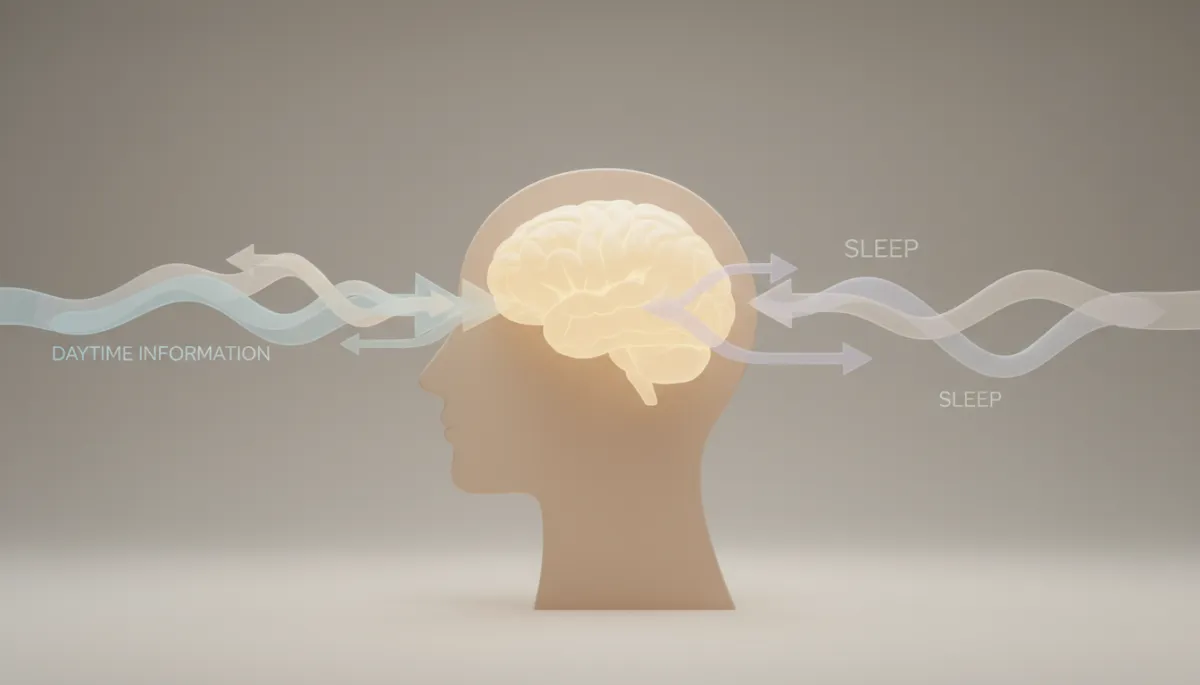
While you sleep, your brain organises the day’s experiences into more stable memories.
Emotional Regulation and Stress Resilience
Sleep also plays a role in how you feel. When you are well rested, your brain is often better able to notice emotions, put them in context and respond in a way that fits the situation. This is sometimes called emotional regulation.
With less sleep, the brain areas involved in emotional responses can become more reactive, while the areas that help you pause and reflect may find it harder to keep up. The result can be stronger emotional swings, feeling “on edge” or finding small challenges more overwhelming than usual.
Over time, this can affect stress resilience — your ability to recover after a tough moment, adapt to change and keep perspective when life feels demanding.
Recovery for Body and Brain
Sleep is also a key time for physical recovery. While you rest, many systems in the body slow down so that repair and restoration can take place. Muscles, hormones, immune responses and brain cells all use this time differently, but with a shared goal: helping you reset for the next day.
When sleep is regularly cut short, you might notice this in many small ways: feeling flat, taking longer to bounce back after activity, or needing more effort to do things that usually feel straightforward.
How Stress and Nervous-System Activation Affect Sleep
Your nervous system helps you move between different states. During the day, you may spend a lot of time in a more activated state — focused, busy, problem-solving or rushing from one task to another. This “switched on” mode is useful when you need to get things done.
At night, your body and brain need space to move toward a calmer state. If you go to bed feeling stressed, stimulated or mentally busy, your nervous system may still be sending “stay alert” signals. This can make it harder to fall asleep or to feel deeply settled, even when you are very tired.
Poor or broken sleep can then feed back into the next day. You may find it harder to handle pressure, think clearly under stress or calm yourself after a challenging moment. Over time, a cycle can develop:
Stress → difficulty settling → disrupted sleep → reduced resilience → more stress.
It’s Not Just About Hours: Quality and Consistency
The number of hours you sleep matters, but it is only part of the story. The quality and regularity of your sleep also influence how your brain and nervous system function the next day. A similar amount of sleep at very different times each night can feel different from a more steady routine.
Paying attention to when you sleep, how often you wake and how settled you feel can offer useful clues about your overall sleep pattern. It can also highlight areas where gentle changes might support you.
Simple Ways to Support Sleep
There is no single approach that works for everyone, and these ideas are not a treatment for sleep disorders. However, some simple habits can help create conditions that are more supportive of sleep and nervous-system balance.
Keep a Consistent Sleep–Wake Routine
As much as possible, aim to go to bed and wake up at similar times each day, including weekends. Your body and brain respond to rhythm. Over time, this regularity can help your internal clock know when to start winding down and when to become more alert.
Reduce Stimulation Before Bed
Try to give yourself a buffer zone before sleep. This might mean turning down bright screens, stepping away from work emails, or choosing quieter conversations and gentler activities in the hour before bed. This wind-down period can help your nervous system shift from “go” to “rest”.
Create a Calming Sleep Environment
A comfortable, dark and relatively quiet bedroom can support your brain’s natural sleep signals. Small changes — such as adjusting light, temperature, bedding or noise — can sometimes make it easier to relax, even if they do not change sleep overnight.
Notice Your State Before Bed
Take a brief moment to check in with yourself. Are you physically tired but mentally wired? Are you replaying the day or planning tomorrow in detail? Simply noticing your level of activation can be a helpful first step in understanding your own patterns.
Some people find that gentle, calming activities — such as reading something light, stretching, slow breathing or listening to soothing sounds — help their nervous system move toward a more settled state. These are options to explore rather than rules to follow.
Sleep as Part of Your Overall Wellbeing
Sleep influences much more than how tired you feel. It is closely linked with how you think, learn, manage emotions, respond to stress and recover from everyday demands. When sleep is regularly disrupted, you may notice changes in your mood, focus, energy and ability to cope.
Rather than seeing sleep as something you can always sacrifice, it can be helpful to view it as one of the foundations supporting your brain and nervous system.
Understanding Your Brain and Nervous System
Everyone’s nervous system is unique. Two people can have the same schedule and stressors yet respond very differently. Gaining insight into how your own brain and nervous system are functioning can offer another layer of understanding about sleep, stress and daily life.
At Neurotherapy Australia, our work begins with curiosity and careful assessment. A Brain & Nervous System Assessment can provide information about your current brainwave patterns and nervous-system functioning, considered alongside your personal history, experiences and goals. The focus is on understanding, not on labelling or promising specific outcomes.
From there, you can explore practical tools and strategies that may support how you manage stress, rest and everyday demands in a way that feels realistic for you.
Want to Understand Your Brain & Nervous System?
If you are regularly finding sleep difficult, it may be helpful to look beyond bedtime alone. Your routines, environment, stress levels and nervous-system state can all play a role. Sometimes, having a clearer picture of what is happening beneath the surface can make it easier to choose your next steps with confidence.
To learn more about Neurotherapy Australia’s Brain & Nervous System Assessment, and how it may offer a personalised starting point for understanding your current state, you are welcome to explore our services and reach out with any questions.
Educational Disclaimer
The information in this article is for general educational purposes only and is not a substitute for personalised medical, psychological or other professional advice. It does not diagnose, treat, cure or prevent any condition. If you have ongoing concerns about your sleep, mood or health, please seek guidance from a qualified healthcare professional.