Supporting Recovery Following Cancer Treatment
A Pilot Study Exploring Nervous System Regulation, HRV Coherence Training & Wellbeing
Many individuals continue to experience ongoing symptoms long after cancer treatment has finished.
Fatigue, sleep disruption, stress, emotional overwhelm, brain fog, anxiety, and nervous system dysregulation can continue to impact daily life and overall wellbeing throughout the recovery phase.
Neurotherapy Australia is currently conducting a pilot study exploring whether Heart Rate Variability (HRV) coherence training and nervous system regulation practices may support wellbeing and recovery following cancer treatment.
This study is designed to complement existing medical care and focuses on supporting the body’s ability to regulate, recover, and restore balance following treatment.
Watch the Study Overview Video
In this short video, Cameron Oates from Neurotherapy Australia explains:
The purpose of the study
Why recovery after treatment matters
What HRV and nervous system regulation are
What participation involves
The different participant groups
The time commitment and expectations
How to apply for the study
STUDY OBJECTIVES
About the Study
This pilot study is exploring whether structured nervous system regulation practices may assist in improving symptoms commonly experienced following cancer treatment, including:
Stress and anxiety
Sleep issues and insomnia
Fatigue and low energy
Brain fog and cognitive clarity
Emotional wellbeing
Emotional resilience
Overall quality of life
The study combines subjective wellbeing questionnaires with objective physiological measures, including Heart Rate Variability (HRV) and qEEG brain mapping.
Who Can Apply
This study is designed for individuals who:
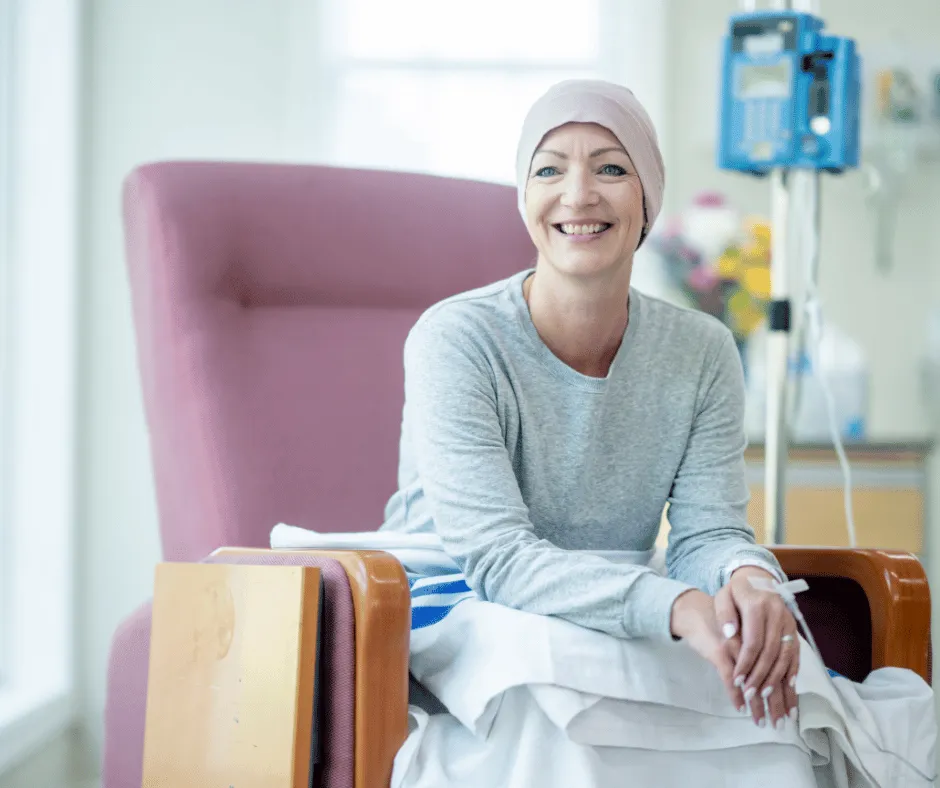
Have completed active cancer treatment
Are at least 1 month post-treatment
Are currently in a recovery phase
Are medically stable
Are experiencing symptoms such as fatigue, poor sleep, stress, emotional distress, or brain fog
Please note:
This study is designed specifically for individuals who have completed active treatment and is not intended for those currently undergoing chemotherapy, radiation, or other active treatment protocols.
What Participation Involves
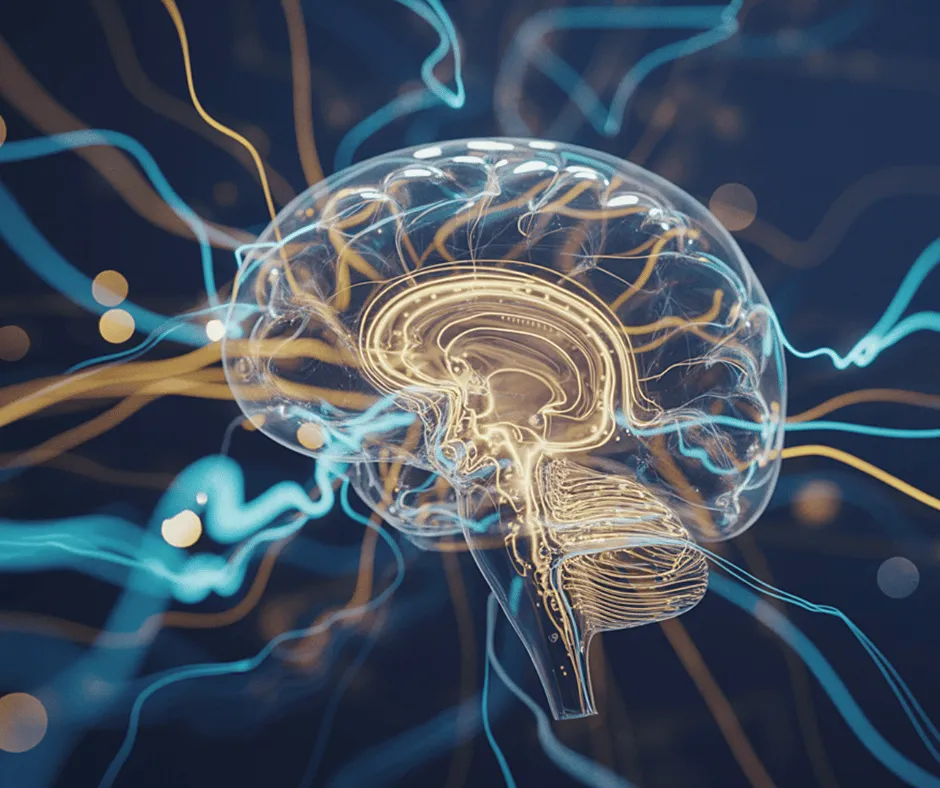
Depending on the group allocated, participants may receive:
HRV coherence training
Guided breathing practices
Nervous system education
Mindset and emotional regulation content
Weekly wellbeing tracking
qEEG brain mapping assessments
HRV assessments and monitoring
Participants in the intervention groups will be asked to complete short daily practices over a 4-week period.
The program is designed to be gentle, supportive, and manageable, particularly for individuals still experiencing fatigue or reduced energy during recovery.
What Happens After
You Apply

Step 1
Submit your Expression of Interest form below.
Step 2
Suitable applicants will be contacted for a short screening and information call.
Step 3
Eligible participants will receive detailed participant information and consent documentation.
Step 4
Baseline assessments and onboarding will begin prior to the commencement of the study.
Please note that participant numbers are limited as part of this pilot program.
Important Information
This study is non-invasive and considered low risk
This study does not treat cancer
Participants will continue all normal medical care
Participation is voluntary
Participants may withdraw at any time
Your participation could help improve and shape a better, more supportive journey for cancer warriors now and into the future.
SECURE APPLICATION
Expression of Interest
If you are interested in participating in this pilot study, please complete the form below and a member of our team will be in touch.
Your details are securely stored
Non-invasive and low-risk study
Dedicated recovery support team
No commitment required to apply
Closing Statement
Recovery following cancer treatment can continue long after treatment has ended.
This pilot study aims to explore practical, measurable approaches to supporting nervous system regulation, wellbeing, emotional resilience, and quality of life during recovery.
We appreciate your interest in contributing to this important work.

This pilot study explores HRV coherence training and nervous system regulation for post-cancer treatment recovery. This study is non-invasive, does not treat cancer, and is designed to complement existing medical care.
© 2026 Neurotherapy Australia. All rights reserved.