Breathing Techniques for Nervous System Regulation
Breathing techniques for nervous-system regulation, Breathing exercises for stress, Brain health Gold Coast
Use Your Breath to Support Nervous-System Regulation
Gentle breathing techniques for nervous-system regulation can offer a simple way to pause, soften stress, and support everyday wellbeing.
Noticing Your Breath When You Feel Stressed
Have you ever realised you were holding your breath during a difficult email, traffic jam, or tense conversation? Many people do this without meaning to. When stress rises, breathing patterns often change as well. You might notice shorter breaths, a tight chest, or a feeling that you cannot quite “complete” a breath.
In calmer moments, breathing tends to be slower and more even. You may feel more space in your chest and abdomen. This shift is not just in your mind. It is linked with how your nervous system responds to what is happening around you and inside you.
How Your Breath and Autonomic Nervous System Work Together
Your autonomic nervous system is the part of your body that quietly manages many automatic functions. It helps look after your heart rate, breathing, digestion, and other processes you do not have to think about. You might hear about two main “sides” of this system: one that prepares you for action, and one that supports rest and recovery. Both are important for health and survival.
When you feel stressed or under threat, your body may prepare you to respond. Your heart can beat faster, your muscles may tighten, and your breathing can become quicker or more shallow. This is one way your system tries to protect you. When the situation settles and your body has a chance to recover, breathing often returns to a steadier rhythm, and you may feel more grounded and at ease.
Breathing is special because it is both automatic and something you can gently influence. By choosing a slower, more comfortable breathing pattern, some people notice changes in how they experience stress. This is one way breathing techniques for nervous-system regulation can support a sense of balance, alongside other healthy habits such as sleep, movement, and social connection.
A Gentle Breathing Exercise You Can Try
This simple breathing exercise is designed to be soft and comfortable. It is not about taking the biggest breath. It is about giving your body a small pause and a kinder rhythm. You can use it as a short breathing exercise for stress during your day. If at any point you feel dizzy, breathless, or uncomfortable, stop and return to your natural breathing. If symptoms continue, seek medical advice.
Find a supported position. Sit with your feet on the floor and your back supported, or lie down if that feels easier. Allow your shoulders to soften away from your ears as much as is comfortable.
Notice your natural breath. Close your eyes or lower your gaze if it feels safe. Pay attention to where you feel the breath most clearly – perhaps your nose, chest, or abdomen. Do not try to change it yet; simply observe the rhythm for a few breaths.
Slow down gently. When you are ready, breathe in softly through your nose, if you can, and then allow the air to leave your body with a relaxed, slightly longer exhale. You might mentally count “in for 3, out for 4,” but only if that feels easy. Comfort is more important than the numbers.
Continue for one to two minutes. Stay with this gentle pattern for about one or two minutes. Keep your breathing soft rather than big. If your mind wanders, kindly bring your attention back to the feeling of air moving in and out.
Check in with your body. When you are ready to finish, allow your breath to return to its natural pace. Notice any changes in your shoulders, jaw, or chest. You do not need to feel perfectly calm for the exercise to be worthwhile; simply noticing your body is part of the practice.
💡 Gentle reminder: This slow breathing exercise is one option for nervous-system regulation. It is not a replacement for medical or psychological care, and not everyone will experience the same effects.
Why Slow, Comfortable Breathing May Support Relaxation
Slow breathing gives your body a chance to shift away from “constant alert” mode and towards a more settled state. Research on paced breathing suggests that, for some people, breathing at a relaxed, steady pace can influence heart rate variability and aspects of autonomic nervous-system regulation. This may be one reason slow breathing sometimes feels calming or grounding during stressful moments.
It is important to remember that responses vary. Some people notice a gentle sense of ease, others feel only a small shift, and some may feel very little change at all. That is okay. The aim is not to “fix” your nervous system or force your body into a certain state. Instead, slow breathing offers a simple, low-effort way to check in with yourself and create a brief pause in your day as part of stress management and self-care.
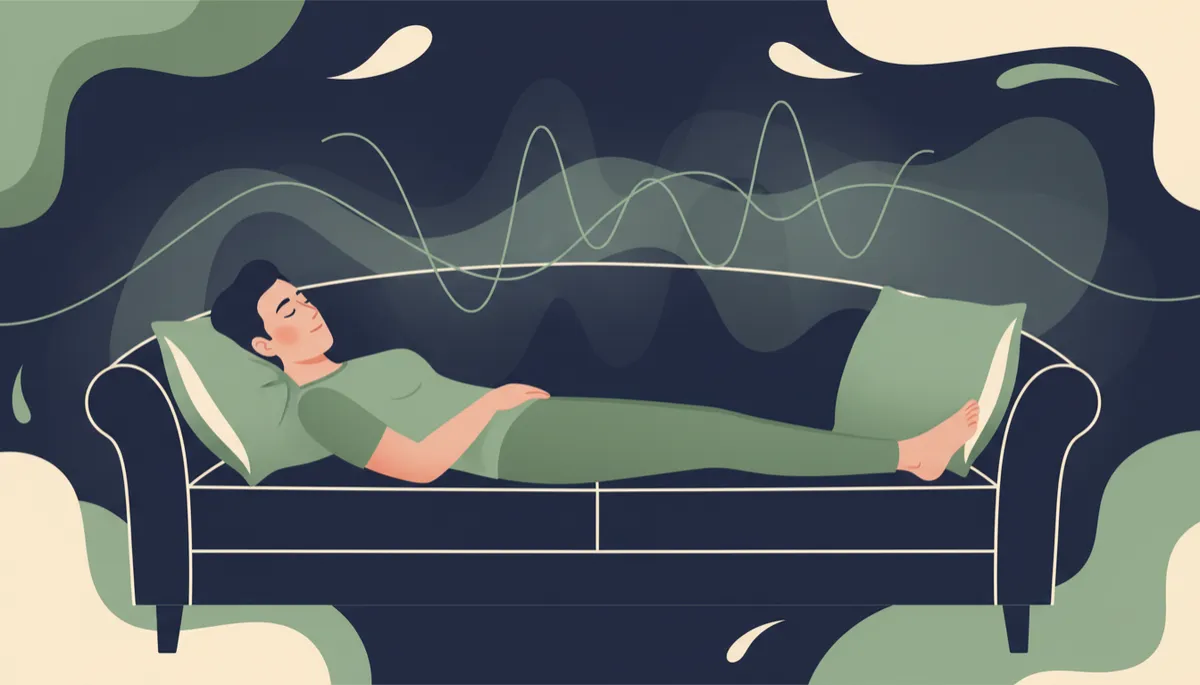
Short, regular breathing pauses can gently support everyday nervous-system regulation.
Common Breathing Mistakes to Avoid
When people first explore breathing exercises for stress, it is easy to try too hard. Being kind and curious with yourself can make the practice more helpful and more sustainable. Here are some common pitfalls to watch for:
Forcing very deep breaths. Bigger is not always better. For some people, taking very large breaths can actually increase tension or light-headedness. Aim for gentle, comfortable breaths instead of “maximum” breaths.
Breathing too quickly. Rushing the breath, even if it is deep, can make you feel unsettled. Slow breathing is usually more helpful when it feels smooth and unhurried rather than fast or forced.
Holding your breath without guidance. Some advanced techniques include breath-holding, but this simple exercise does not require it. If you notice yourself holding your breath, gently return to an easy in-and-out rhythm.
Ignoring discomfort. If you feel dizzy, short of breath, or more anxious, stop the exercise and breathe normally. If these symptoms keep happening, speak with a health professional to rule out other causes.
Expecting instant results. Slow breathing is not a switch that resets the nervous system on command. For many people, its effects are gentle and gradual. It can be most useful when practised regularly as part of a broader approach to wellbeing.
📌 Key takeaway: Aim for comfort over perfection. A few soft, steady breaths you can repeat most days are usually more helpful than a “perfect” technique you rarely use.
Weaving Slow Breathing Into Your Day
Slow breathing does not need to become another task on your to-do list. Many people find it easier to practise when they attach it to a routine that already exists. You might take one or two minutes of gentle breathing before a meeting, after your commute, or when you sit in your car before driving home. Some people like to pause for a few calm breaths as they make a cup of tea or before turning off the light at night.
Over time, this can become one of several tools you use for nervous-system regulation and stress management. Others might include gentle movement, time in nature, connecting with people you trust, nourishing food, and supportive sleep habits. You do not need to do everything at once. Small, repeatable steps often make the biggest difference.
When to Seek More Support for Stress or Breathing Symptoms
Everyday stress is common, and most people notice ups and downs in their energy, mood, and focus. However, ongoing stress can begin to affect sleep, concentration, relationships, and your ability to enjoy daily life. If you feel “on edge” most of the time, find it hard to wind down, or notice racing thoughts that do not seem to settle, it may be helpful to talk with a qualified healthcare or mental health professional.
It is also important not to assume all breathing changes are caused by stress. New, severe, or unexplained shortness of breath, chest pain, or ongoing dizziness should be assessed by a medical professional promptly. Breathing exercises are not a replacement for appropriate healthcare. They are best viewed as one gentle, supportive practice within a wider care plan created with your health team.
Exploring Your Brain and Nervous-System Wellbeing at Neurotherapy Australia
At Neurotherapy Australia in Ashmore on the Gold Coast, we support people who are curious about how their brain and nervous system are functioning. Our Brain & Nervous System Assessment offers an in-depth look at selected aspects of brain activity and physiological patterns that may relate to stress, focus, and overall wellbeing.
Depending on your needs, the assessment may include qEEG brain mapping, heart rate variability (HRV) measurement, relevant wellbeing questionnaires, and a personalised discussion of your results. These tools can add useful information to a broader picture of your health and are interpreted in context by experienced clinicians. They do not, on their own, diagnose stress or mental health conditions and do not replace medical, psychological, or psychiatric care.
💡 Pro Tip: If you are exploring options for brain health Gold Coast wide, consider writing down your main concerns and goals. Bringing these to your assessment can help guide the conversation and ensure your priorities are heard.
Frequently Asked Questions About Slow Breathing and Stress
How often should I practise slow breathing?
Many people find that one to three short practices a day, even just one or two minutes at a time, are easier to maintain than a long session. You can adjust the frequency to suit your schedule and energy. If it starts to feel like pressure, gently reduce the time and focus on consistency instead of duration.
Will slow breathing work for everyone?
No single technique works for every person or every nervous system. Some people notice that slow breathing brings a sense of calm or clarity. Others feel only a small change, and some may find it uncomfortable. Your response can also vary from day to day. It is completely okay if you prefer other tools, such as gentle stretching, walking, or sensory grounding exercises.
Can I use breathing exercises instead of seeing a professional?
Breathing exercises can be a helpful part of a self-care plan, but they are not a replacement for appropriate healthcare. If stress, mood changes, or physical symptoms are affecting your daily life, it is important to seek advice from a qualified health or mental health professional. Breathing techniques can then be used alongside other supports recommended for you.
Is it normal to feel more aware of my body when I focus on my breath?
Yes. Paying attention to your breathing can make sensations in your chest, abdomen, or throat feel more noticeable. For many people, this awareness becomes more comfortable with practice. If it feels overwhelming or increases your anxiety, it may help to shorten the exercise, keep your eyes open, or focus on an external anchor such as sounds in the room. You can also discuss this with a clinician who understands nervous-system regulation.
Start With One Comfortable Breath
You do not need to control every thought or remove every source of stress to care for your nervous system. Beginning with one comfortable breath – and then another – can be a kind, realistic starting point. Over time, small moments of slow breathing may help you feel more able to pause, notice your needs, and respond with greater choice rather than automatic tension.
If you would like professional support in understanding your brain and nervous-system wellbeing, Neurotherapy Australia in Ashmore on the Gold Coast offers comprehensive Brain & Nervous System Assessments. You can contact our team to discuss whether this may be appropriate for you and how it might fit alongside your existing healthcare. Our clinic is located at 38/207 Currumburra Road, Ashmore QLD 4214, Gold Coast, Australia.
🌿 Next step (gentle invitation): If this article has resonated with you, consider setting a reminder for one short breathing pause today. When you are ready, you may also like to contact Neurotherapy Australia to learn more about our assessment options and how we support brain health on the Gold Coast.
This article is for general educational purposes only and does not replace individual medical, psychological, or other professional advice. Please seek personalised guidance for your specific situation.
Ever wonder what's going on inside your brain? Book a Brain and Nervous System Assessment today! Click here to find out more →

