Understanding Depression's Impact on Brain Health
Mental Health, Brain Health, Depression, Neurotherapy Australia, Gold Coast
Depression in the Brain: What Happens When Mood, Motivation and Brain Function Change?
Depression is often described as feeling sad, but for many people it feels more like a slow change in how the whole brain and body are working. Understanding how depression and the brain interact can reduce stigma, support compassionate care and open the door to more personalised support.
Being told to “think positively” or “just push through it” can feel deeply invalidating when you are living with depression. Many people describe a loss of motivation, changes in sleep, reduced energy, difficulties concentrating, a sense of emotional numbness or feeling disconnected from things that used to matter. Everyday tasks can feel heavier, slower or strangely distant, even when you are trying your best.
Research into depression and the brain suggests that these experiences are not simply about willpower. They can reflect shifts in how brain networks, neurotransmitters, stress systems and sleep–wake rhythms are functioning, in the context of a person’s life circumstances, history and environment. There is no single “depression brain”, and no single brain test that can diagnose depression, but neuroscience can offer helpful context for what people feel day to day.
Depression Is More Than Feeling Sad
Sadness is a normal human emotion. It comes and goes in response to loss, disappointment or change. Depression, by contrast, is typically more persistent and can involve a broader pattern of changes across mood, thinking, energy, behaviour and physical health. It is not simply “being sad for too long”; it often feels like the colour has drained from life, or like moving through thick fog even when nothing obvious is “wrong” on the outside.
Low or flattened mood that lingers for weeks or longer, sometimes more like emptiness than tears.
Loss of interest or pleasure (anhedonia) in activities that used to feel meaningful or enjoyable.
Fatigue and low energy, even after rest, making simple tasks feel effortful or overwhelming.
Reduced motivation, difficulty getting started or keeping going, even with things that “should” feel rewarding.
Concentration and memory changes, such as feeling foggy, easily distracted or mentally slowed down.
Sleep disruptions, including difficulty falling asleep, frequent waking, early waking or sleeping longer but feeling unrefreshed.
Appetite changes, such as eating more or less than usual, sometimes without noticing at first.
Feelings of hopelessness or worthlessness, or a harsh inner critic that is difficult to switch off.
Not everyone experiences all of these changes, and they can show up differently from person to person. Some people appear outwardly “high functioning” but feel detached or exhausted inside. Others notice more physical symptoms, such as aches, heaviness or slowed movement. These variations remind us that there is no single profile of depression, and no single way it appears in the brain.
What Can Change in the Brain?
When researchers study depression neuroscience, they often look at how different brain networks communicate. Rather than focusing on one “depression centre”, they map patterns of activity and connectivity across regions involved in emotion, thinking, motivation and stress responses. These patterns are complex and vary between individuals, but several themes have emerged.
Emotional processing networks (including regions such as the amygdala and parts of the limbic system) help the brain detect and respond to emotionally significant information. In some people with depression, these areas may be more reactive to negative cues or less responsive to positive ones, which can shape how the world feels moment to moment.
Prefrontal and executive networks help with attention, decision-making and regulating emotional responses. Research suggests these regions may, in some cases, have difficulty “damping down” overactive threat or worry signals, which can contribute to rumination or feeling stuck in negative thinking loops.
Reward and motivation circuits, including pathways involving the striatum and midbrain, are central to how we anticipate, pursue and enjoy rewarding experiences. In depression, these systems may respond less strongly to anticipated rewards, which can make life feel flat and effortful, even when good things are happening on the outside.
Self-focused and default mode networks are active when we reflect on ourselves, our past and our future. For some people with depression, these networks may become dominated by self-criticism or hopeless predictions, which can deepen feelings of worthlessness or guilt.
Importantly, these are associations, not fixed rules. Brain function is dynamic. It changes with sleep, stress, nutrition, movement, social connection, therapy, medication and time. Two people with similar symptoms may show different depression brain patterns, and the same person’s brain can look different at different stages of their life or recovery. This is why responsible clinicians avoid saying that one specific brain region “causes” depression.
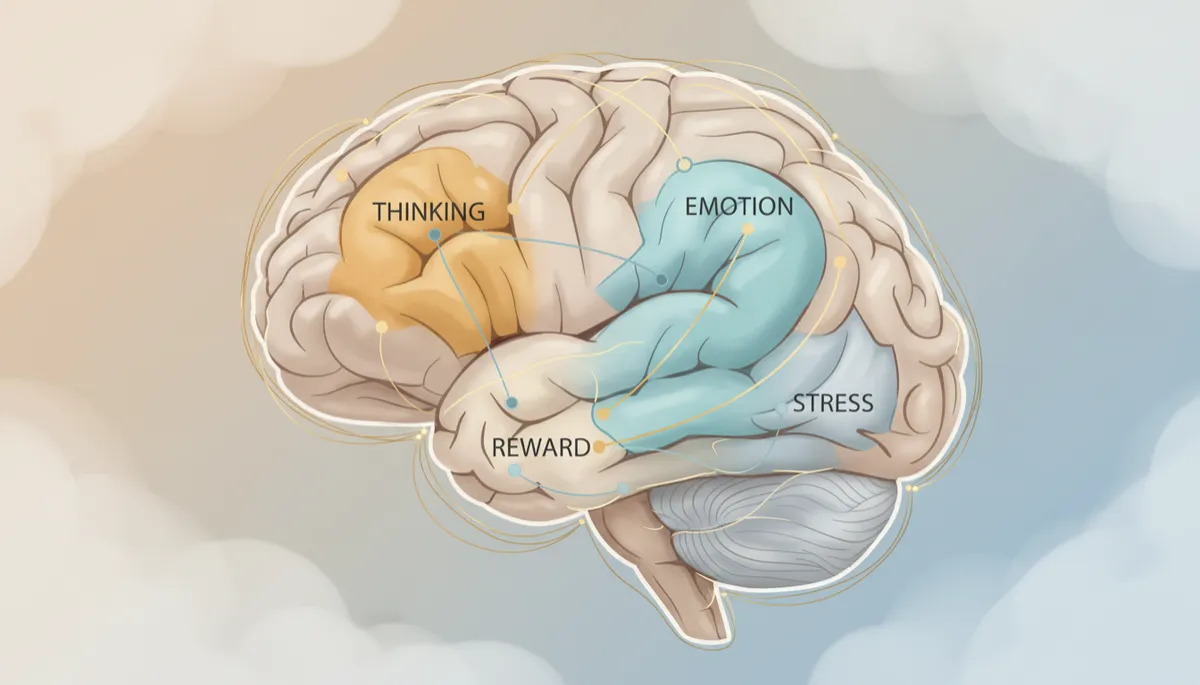
Depression is linked with shifting patterns across brain networks, rather than one single “depression area”.
It’s Not Just About Serotonin
For many years, depression was popularly explained as a “chemical imbalance” caused by low serotonin. This idea was simple and easy to communicate, but it does not capture what current research shows. Serotonin is one important neurotransmitter, but it is part of a much wider conversation happening between brain cells, hormones, immune signals and environmental influences.
Neurotransmitters such as serotonin, dopamine and noradrenaline help nerve cells communicate. They are involved in mood, motivation, attention, reward and stress responses. Medications that influence these systems can be helpful for some people, especially when combined with psychological and lifestyle support. But research into brain health and depression suggests that depression cannot be reduced to one chemical being “too low” or “too high”.
Brain networks influence how different regions coordinate, not just how much of a particular chemical is present.
Stress physiology, including hormones such as cortisol, can affect brain structure and function over time, especially when stress is chronic or overwhelming.
Sleep and circadian rhythms influence how well the brain restores itself, processes emotional memories and regulates mood from one day to the next.
Genetics and early experiences can shape how sensitive the nervous system is to stress, reward and social connection, but they do not determine anyone’s destiny.
Psychological and environmental factors – including relationships, trauma, loss, culture and ongoing life stressors – all interact with brain and nervous-system function.
In other words, depression and the brain are part of a larger story that includes the whole person and their environment. A balanced view acknowledges that biology matters, but so do experiences, meaning, support and context. This perspective can feel more validating than the idea that depression is “just chemicals” or “just thoughts”.
How Stress Can Interact With Depression
The human nervous system is designed to respond to challenges. When something feels threatening or demanding, the body mobilises: heart rate increases, breathing changes, and stress hormones rise to help us act. In the short term, this can be protective. But when stress is intense, prolonged or repeated without enough recovery, it can begin to affect depression and nervous system functioning in more lasting ways.
Alertness and arousal can become stuck “on”, making it hard to relax, or stuck “down”, leading to exhaustion and withdrawal.
Sleep may become lighter, shorter or more fragmented, reducing the brain’s opportunity to reset emotional circuits overnight.
Energy and recovery can be affected, with people feeling “tired but wired” or depleted and flat.
Emotional regulation may become more difficult, with stronger swings or a sense of emotional shutdown over time.
Research into stress and depression suggests that chronic stress can contribute to changes in brain regions involved in mood, memory and decision-making. However, stress does not automatically lead to depression, and many people navigate significant stress without developing a depressive episode. Equally, depression can arise in the absence of obvious external stressors. There is no single pathway, which is why personalised assessment and care are so important.
Why Motivation Can Feel So Different
Many people describe depression as a “motivation disorder” as much as a mood disorder. Tasks that once felt automatic now require deliberate effort. The brain’s reward systems, which usually light up in anticipation of something enjoyable, may respond less strongly. This can make it harder to start activities, and harder to feel satisfaction even when you do.
From a neuroscience perspective, motivation is not just about willpower. It involves how the brain weighs up reward, anticipation, effort and attention. When reward circuits are less responsive, the “spark” that helps you move toward goals can be dulled. At the same time, networks involved in self-criticism or worry may be more active, adding an extra layer of doubt or fear of failure. The result can look like procrastination from the outside, but inside it often feels like pushing against an invisible weight.
Understanding this aspect of depression and the brain can be relieving. It reinforces that people are not “lazy” or “uncommitted”; their brain’s motivation systems may be operating differently at this time. Gentle structure, supportive relationships, evidence-based therapies and, for some, neurofeedback or other brain-based training may help nudge these systems back toward healthier patterns over time, alongside broader psychological and medical care where appropriate.
Sleep, Energy and the Depressed Brain
Sleep is one of the most powerful regulators of brain and nervous-system health. During sleep, the brain consolidates memories, processes emotional experiences and restores energy. It is no surprise, then, that depression and sleep are closely linked. Disturbed sleep can both reflect and reinforce changes in mood and cognition.
Some people with depression experience insomnia: difficulty falling asleep, frequent waking or early morning waking with a racing mind.
Others experience hypersomnia: sleeping longer than usual, finding it hard to get out of bed and still feeling unrefreshed during the day.
Many notice daytime fatigue, brain fog and reduced resilience to everyday stresses when their sleep is disrupted.
This often creates a cycle: low mood and worry make it harder to sleep; poor sleep reduces emotional regulation and energy; the day feels harder, which can deepen low mood. Supporting sleep is therefore an important part of caring for brain health in depression, but it is not a standalone cure. A comprehensive approach considers sleep alongside mood, thinking patterns, physical health, relationships and life context.
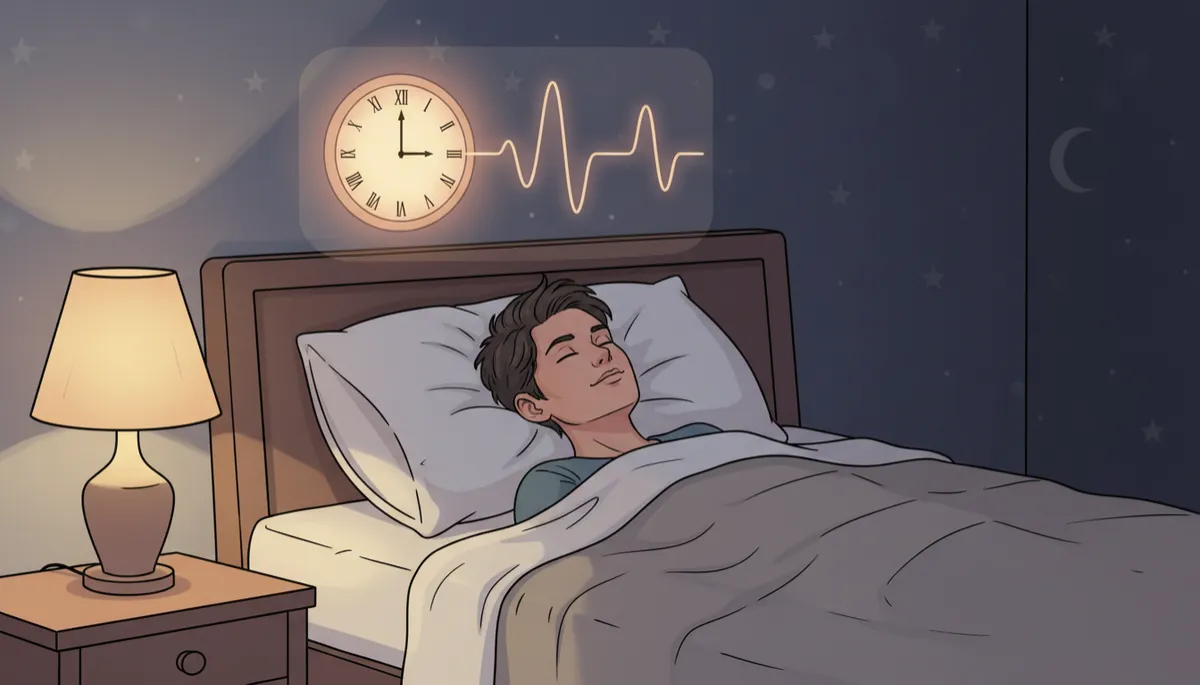
Sleep and mood influence each other, shaping how the brain restores and regulates itself.
Can Brain Mapping Diagnose Depression?
With growing interest in brain mapping Gold Coast services, it is important to be clear about what these tools can and cannot do. Quantitative EEG (qEEG) and other forms of brain mapping measure patterns of electrical activity at the scalp. They can highlight areas of relatively higher or lower activity, or differences in how regions appear to communicate. This information can be valuable, but it has limits.
No. qEEG or brain mapping should not be presented as a standalone diagnostic test for depression. There is currently no single brain scan, EEG pattern or imaging marker that can reliably diagnose depression in individual people. Patterns seen on qEEG may be associated with certain symptoms or tendencies, but they are not diagnostic on their own and can appear in people without depression as well.
A diagnosis of depression should always be made by an appropriately qualified healthcare professional using a comprehensive clinical assessment. This typically involves a detailed conversation about symptoms, medical history, life context and risk factors, and may include standardised questionnaires or other investigations where appropriate. In this context, brain mapping can sometimes offer additional information about how a person’s brain is functioning, but it should never replace clinical judgement or be used to label someone in isolation.
Understanding Your Individual Brain and Nervous System
On the Gold Coast, many adults seek support not only for depression, but also for stress, fatigue, concentration difficulties, sleep disruption and challenges with emotional regulation. Two people may use the same words – “burnt out”, “flat”, “anxious and low” – yet their underlying brain and nervous-system patterns can be quite different. Recognising this individuality is at the heart of Neurotherapy Australia’s approach to brain health Gold Coast services.
Rather than assuming there is one “depression brain”, Neurotherapy Australia focuses on careful assessment, education and practical strategies. The aim is not to diagnose depression with a machine, but to build a richer picture of how the brain and nervous system are functioning right now and how that might relate to someone’s lived experience.
qEEG brain mapping may be used to explore patterns of brain activity, such as areas that appear over- or under-activated, or differences in rhythm and connectivity. These patterns are interpreted cautiously and always in the context of a person’s history and goals.
Heart rate variability (HRV) measurement can provide insight into how flexibly the autonomic nervous system is shifting between “rest and digest” and “mobilise” states, which may relate to stress resilience and recovery. HRV does not diagnose depression, but it can add another piece to the puzzle of depression and nervous system function.
Relevant wellbeing questionnaires help capture how someone is sleeping, coping, concentrating and feeling in everyday life, complementing brain and physiological measures.
Nervous-system education supports people to understand why they might feel wired, flat, overwhelmed or shut down at different times, and how this relates to patterns in the brain and body.
Where appropriate, personalised brain training and nervous-system training (such as neurofeedback or HRV biofeedback) may be offered as part of a broader plan, with the goal of gently supporting healthier patterns over time. These approaches are not presented as cures for depression, but as potential tools within a wider support network.
For many people, this kind of brain and nervous system assessment Gold Coast service can be reassuring. It offers a way to see aspects of their functioning reflected back in a concrete, visual form, while still emphasising that their story, values and goals matter just as much as any graph or map.
When to Seek Professional Support
Learning about depression neuroscience can help things make more sense, but information alone is not a substitute for personal support. If you have noticed persistent low mood, loss of interest, changes in sleep or appetite, ongoing fatigue, difficulties concentrating or feeling that life has lost its colour, it is important to reach out to an appropriately qualified healthcare professional.
Depression is treatable. Effective care often involves a combination of approaches, which may include psychological therapies, medical support, social connection, movement, sleep support and, for some people, brain- and body-based training. The right mix will depend on your individual circumstances, preferences and health needs. A local GP, psychologist or psychiatrist can help you explore options and coordinate care.
If you or someone you care about is experiencing thoughts of suicide, self-harm or feeling in immediate danger, it is important to seek urgent help. Contact emergency services or a crisis support line in your area right away. Reaching out in these moments is a sign of courage, not weakness, and immediate support can be life-saving.
Understanding Is Not the Same as Labelling
One of the risks of talking about depression and the brain is that people may feel reduced to a diagnosis, a scan or a set of numbers. That is not the intention. The purpose of understanding brain function is not to put you in a box, but to expand the ways in which your experience can be understood and supported.
Your brain is not your identity. It is a living, changing organ that reflects – and responds to – your experiences, relationships, environment and choices. Gaining insight into how it is functioning at a given moment can simply give you more information to work with, alongside your own wisdom about what matters to you and how you want to live.
At Neurotherapy Australia, the Brain & Nervous System Assessment is designed with this philosophy in mind. It brings together brain mapping, nervous-system measures and clinical conversation to create a personalised overview of your current patterns. It does not diagnose depression or replace psychological or medical care, but it may help inform practical next steps, whether that involves therapy, medical review, lifestyle changes, brain-based training or a combination of approaches.
If you are on the Gold Coast and curious about your own brain and nervous-system patterns, Neurotherapy Australia offers in-person assessment at:
38/207 Currumburra Road, Ashmore QLD 4214, Gold Coast, Australia.
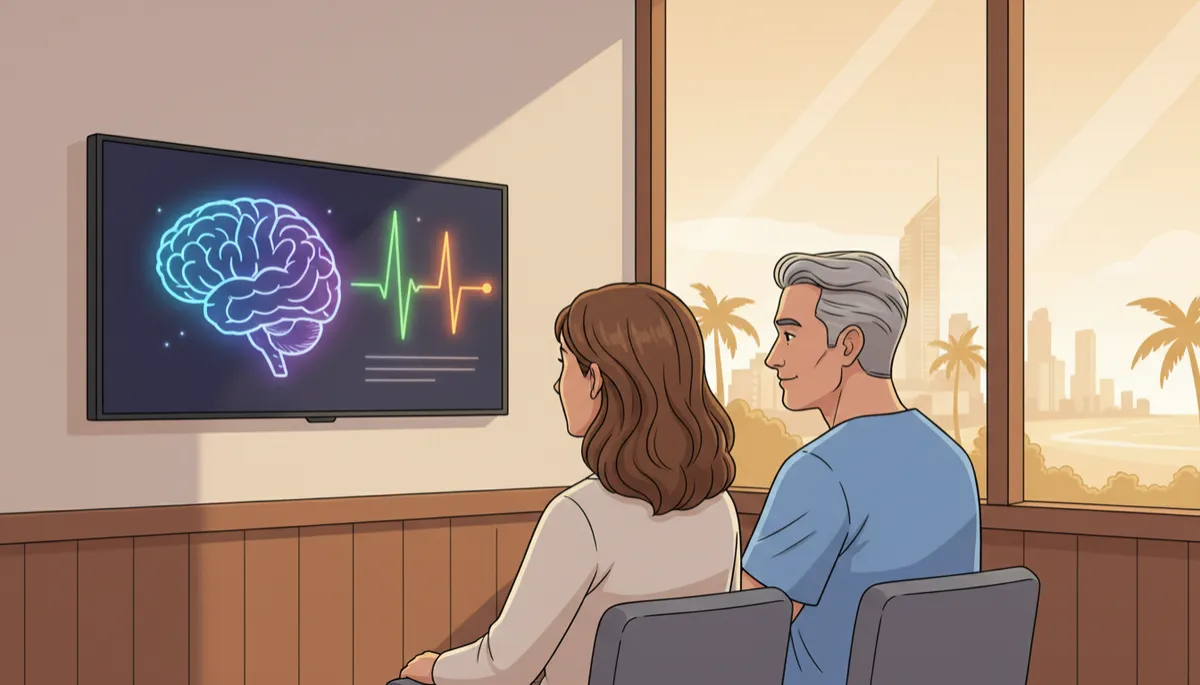
Personalised brain and nervous-system assessments can add context to professional mental health care.
Whether you are navigating depression, stress, sleep disruption or changes in motivation, understanding more about how your brain and nervous system are working can be a powerful step toward compassionate, tailored support. You are more than your symptoms, and more than your brain – but your brain is an important part of your story, and it deserves thoughtful attention.
Ever wonder what's going on inside your brain? Book a Brain and Nervous System Assessment today! Click here to find out more →

