Heart–Brain Connection: Boost Mental Wellbeing
Brain Health, Heart Health, Mental Wellbeing, Nervous System Regulation, Neurotherapy
The Heart–Brain Connection: How Your Heart Influences Your Brain and Mental Wellbeing
Your heart and brain are in constant conversation. Understanding this heart–brain connection can help you make sense of stress, emotional changes, and why caring for your body also supports long-term brain health and mental wellbeing.
Your Heart and Brain Are Constantly Communicating
Your heart and brain are linked by a complex network of nerves, blood vessels, and chemical signals. One of the main pathways is the autonomic nervous system, which helps manage automatic functions such as heart rate, breathing, blood pressure, and digestion. You do not have to think about these processes; your body handles them in the background every moment of the day.
Communication flows in both directions. Your brain sends signals that can speed up or slow down your heart. At the same time, your heart and blood vessels send information back to your brain. Special sensors in your arteries, often called baroreceptors, notice changes in blood pressure and send messages to brain areas involved in regulation and awareness. This constant feedback loop helps your body stay balanced as you move, think, rest, and respond to daily demands.
How Your Heart Can Influence Your Brain
Your brain is always listening to your body. Signals from your heart and cardiovascular system contribute to a process called interoception – your brain’s ability to sense what is happening inside you. These internal signals can shape how you feel, how you focus, and how you respond to the world around you.
Emotional processing: A racing heart can change how you experience an emotion. For example, a fast heartbeat during a job interview might be read as anxiety, excitement, or a mix of both, depending on your thoughts and the situation.
Stress responses: When your cardiovascular system becomes more activated, your brain registers these changes and helps coordinate further responses, such as muscle tension or shifts in attention.
Attention and awareness: Internal signals from your heart and body can influence how alert or settled you feel, which in turn affects focus, decision-making, and mental clarity.
Emotional regulation: Learning to notice physical signs of stress – such as changes in breathing or heart rate – can help you recognise when you may need to pause, recover, or use a calming strategy.
This does not mean that the heart independently controls your thoughts or emotions. Instead, your heart is one important part of a larger communication network that includes the brain, autonomic nervous system, hormones, and many other systems working together to support emotional wellbeing and brain health.
What Happens to Your Heart During Stress?
Imagine you are about to give an important presentation or receive unexpected news. You might notice your heart beating faster, your breathing becoming shallow, and your muscles tightening. These changes are part of your body’s natural stress response and are closely tied to the heart–brain connection.
When your brain detects a challenge or potential threat, the sympathetic branch of the autonomic nervous system helps prepare your body for action. Heart rate increases, blood flow shifts to support muscles, and you may feel more alert or on edge. Once the challenge passes, other regulatory processes support recovery and help your body move back toward a more settled state.
A pounding or racing heartbeat
Muscle tension or restlessness
Changes in breathing pattern
Trouble winding down or sleeping
Short bursts of this response can be useful. However, ongoing pressure and repeated activation can feel draining and may affect both stress and heart health over time. If you notice persistent, unusual, or worrying heart symptoms, it is important to seek advice from a qualified medical professional to rule out underlying cardiovascular conditions.
What Is Heart Rate Variability (HRV)?
One way to explore aspects of the heart–brain connection is through Heart Rate Variability (HRV). HRV looks at the small, natural changes in the time between each heartbeat. Even if your heart rate is 70 beats per minute, the gap between individual beats is not identical. These tiny differences can provide information about how your autonomic nervous system is responding and adapting.
HRV is influenced by both the sympathetic branch (often linked with “fight or flight” responses) and the parasympathetic branch (often linked with “rest and recovery”). In some contexts, certain HRV patterns may be associated with flexible physiological regulation and recovery. In other contexts, reduced variability may be linked with strain, fatigue, or other factors. However, the picture is more complex than “high is good” and “low is bad”.
HRV and Nervous System Regulation
HRV is often used in health, fitness, and research settings to explore patterns related to autonomic nervous system activity, stress, and recovery. It can offer context about:
How your body responds to physical or emotional stress
Changes linked with rest, recovery, and sleep quality
Patterns in cardiovascular autonomic regulation over time
At the same time, HRV and mental health have a multifactorial relationship. HRV can be influenced by age, fitness, breathing patterns, illness, medication, sleep, measurement conditions, and many other factors. It is not a standalone measure of mental health, nervous system health, or emotional wellbeing. Instead, it is one piece of information that can be helpful when interpreted carefully and in context.
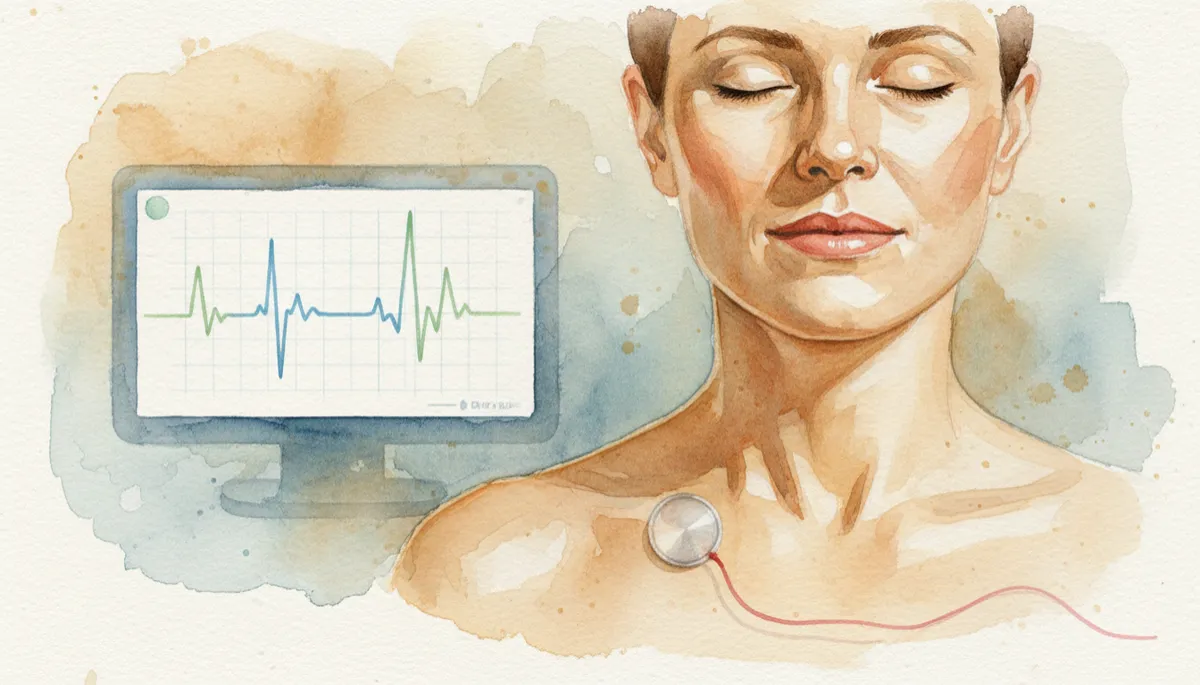
HRV offers a window into autonomic activity but is only one part of a broader assessment.
Why the Heart–Brain Connection Matters for Mental Wellbeing
Mental and physical health are deeply linked. The heart–brain connection helps explain why periods of stress can affect more than just mood, and why looking after heart and brain health together supports long-term wellbeing.
Stress and emotional wellbeing: Ongoing stress can keep your autonomic nervous system in a more activated state. Over time, this may influence how easily you become overwhelmed and how quickly you feel able to recover after challenges.
Sleep and recovery: Sleep supports both heart and brain health. Poor or irregular sleep can affect stress responses, attention, and emotional balance, as well as recovery processes in the cardiovascular system.
Attention and mental clarity: Your brain relies on a healthy cardiovascular system to deliver oxygen and nutrients. Over the long term, heart and brain health are closely connected to cognitive function and everyday thinking skills.
Physical and mental health together: Supporting cardiovascular health does not guarantee the absence of mental health concerns, and caring for mental health does not remove all physical risk. However, nurturing both can contribute to more stable energy, mood, and quality of life.
5 Ways to Support Your Heart and Brain
You do not need complex routines or perfect habits to begin supporting heart and brain health. Small, realistic changes can make a meaningful difference over time, especially when they are consistent and tailored to your needs and medical advice.
1. Move Your Body Regularly
Activities such as walking, cycling, swimming, or gentle strength training can support heart and brain health. Regular movement is linked with improved mood, more stable energy, and better sleep. If you are unsure where to start, a short daily walk can be a simple first step, adjusted to your fitness level and medical guidance.
2. Prioritise Consistent, Quality Sleep
Sleep is a key time for recovery in both the brain and cardiovascular system. Keeping a regular sleep–wake schedule, reducing bright screens before bed, and creating a calm, comfortable sleep environment can support more restorative rest. If sleep difficulties are ongoing, discussing them with a health professional can be helpful.
3. Practise Comfortable, Slow Breathing
Breathing and heart rate are closely linked. Taking a few slow, comfortable breaths can sometimes help you pause and create a small gap between stress and your response. For many people, gently breathing in through the nose and out through the mouth at a relaxed pace feels manageable. It is important not to force deep breaths or hold your breath if this feels uncomfortable or dizzying; the goal is comfort, not intensity.
4. Choose Balanced Nutrition
A balanced eating pattern that includes a variety of vegetables, fruits, whole grains, healthy fats, and suitable protein sources can support heart and brain health. Stable blood sugar and adequate hydration can also influence energy, concentration, and emotional steadiness. For specific health conditions or dietary needs, personalised guidance from a qualified health professional is recommended.
5. Build Healthy Stress-Management Habits and Supportive Relationships
Constant pressure without recovery can leave both body and mind feeling depleted. Making time for activities that help you unwind – such as listening to music, spending time outdoors, gentle stretching, or mindfulness – can support nervous system regulation. Supportive relationships also matter. Talking with trusted people, or seeking professional support when needed, can reduce the load on both heart and brain over time.
How Neurotherapy Australia Explores the Heart–Brain Connection
At Neurotherapy Australia, the heart–brain connection is approached through neuroscience-informed assessment tools that look at different aspects of physiological functioning. These tools do not diagnose heart disease or guarantee specific outcomes, but they can contribute useful information about patterns in brain and nervous system activity when used as part of a broader assessment process.
Heart Rate Variability (HRV) Assessment
HRV assessment explores the variation in time between heartbeats over a period of recording. This can offer insight into aspects of cardiovascular and autonomic regulation, including how your body may be responding to stress or recovery demands. At Neurotherapy Australia, HRV data is considered alongside your history, current concerns, and other relevant information. It is not used as a standalone indicator of mental health or nervous system health.
qEEG Brain Mapping
Quantitative EEG (qEEG) brain mapping analyses patterns in electrical brain activity recorded through an EEG cap. It can highlight how different areas of the brain may be functioning relative to reference data. qEEG does not directly measure heart function and does not independently diagnose most mental health conditions. Instead, it can provide additional context about aspects of brain activity that may relate to attention, arousal, or other functions.
Neurofeedback
Neurofeedback uses real-time information about brain activity to help individuals practise responding to that feedback. Over time, some people find this supports awareness and self-regulation skills. Neurofeedback is separate from HRV assessment and is not a guaranteed treatment. Its suitability depends on individual goals, preferences, and clinical considerations, and it is best discussed with a qualified practitioner.
📌 Key Takeaway: HRV, qEEG brain mapping, and neurofeedback each offer different perspectives on brain and nervous system functioning. They are tools to support understanding, not replacements for medical assessment of cardiovascular symptoms or conditions.
Your Heart and Brain Work Better Together
The heart–brain connection reminds us that physical and mental health are not separate worlds. Your heart, brain, and autonomic nervous system are constantly communicating to help you respond to stress, maintain balance, and adapt to everyday life. Paying attention to both heart and brain health – through movement, sleep, nutrition, stress management, and supportive relationships – can be an important part of caring for your overall wellbeing.
You do not need to navigate this alone. If you are curious about how your heart, brain, and nervous system are working together, support is available.
Neurotherapy Australia offers neuroscience-informed assessment and support to help you explore aspects of brain and nervous system functioning, including the heart–brain connection. To learn more about HRV assessment, qEEG brain mapping, or neurofeedback, or to discuss whether these services may be appropriate for you, we invite you to contact Neurotherapy Australia and start a conversation about your brain health and mental wellbeing.
Ever wonder what's going on inside your brain? Book a Brain and Nervous System Assessment today! Click here to find out more →

