Stress and Gut Health: The Brain-Gut Connection
Stress and Gut Health, Gut–Brain Connection, Digestive Wellbeing
Can Stress Affect Your Gut Health? Understanding the Brain–Gut Connection
Learn how stress and the gut–brain connection may influence digestion, why symptoms can change during busy or difficult times, and when to seek medical care.
Have you ever felt butterflies in your stomach before an important meeting, lost your appetite during a difficult week, or noticed your bowel habits change when life feels intense? Experiences like these are common, and they can be unsettling when you are already under pressure.
The brain and digestive system are closely linked through what scientists call the gut–brain connection, also known as the brain–gut axis. This does not mean that every gut symptom is “just stress” or “all in your head”. Many medical, nutritional, and lifestyle factors can affect digestion. However, understanding this connection can help you notice patterns, respond earlier, and seek the right kind of support when you need it.
📌 Key Reminder: This article is for general education only. It cannot diagnose or treat any condition. Always speak with a qualified health professional about ongoing or concerning symptoms.
1. What Is the Gut–Brain Connection?
Your digestive system is sometimes called your “second brain”. This is because it has its own network of nerves, called the enteric nervous system, which helps control movement, blood flow, and secretions in the gut. This network talks to the brain through several pathways, including:
Nerves such as the vagus nerve, which carries signals between the brain and digestive organs.
Hormones and chemical messengers that help coordinate appetite, digestion, and energy use.
Immune signals, which can change during illness, inflammation, or stress.
This communication is two-way. The brain sends messages that can speed up, slow down, or change digestive activity. At the same time, the gut sends information back to the brain about stretch, movement, and chemical changes inside the digestive tract. These signals can influence comfort, mood, and even how alert or tired you feel.
💡 Pro Tip: When you notice a change in digestion during stressful times, it may be one part of this ongoing conversation between your brain and gut—not proof that everything is “just stress”.
2. How Stress May Influence Digestion
When you feel stressed, your body prepares to respond. This can be helpful in the short term, but it may shift attention away from digestion. The autonomic nervous system, which controls many automatic functions, plays a key role here. Parts of this system help you respond to challenge, while other parts support rest, repair, and digestion.
During stressful periods, some people may notice:
Changes in appetite – feeling less hungry, forgetting to eat, or sometimes wanting to eat more for comfort.
Slower or faster gut movement – which might feel like constipation, looser stools, or an urgent need to go to the toilet.
Abdominal discomfort – such as cramping, tightness, or a “knot” in the stomach.
Stress can also change how strongly the brain notices signals coming from the gut. For some people, sensations that are usually mild may feel more intense when they are under pressure. This does not mean the discomfort is imagined. It reflects how the brain, nerves, and gut are working together at that time.
⚠️ Important: Digestive symptoms can also be caused by food intolerances, infections, medications, and gastrointestinal conditions such as coeliac disease, inflammatory bowel disease, or irritable bowel syndrome. Symptoms should never be assumed to be caused only by stress.
3. How Gut Sensations May Influence Mood and Comfort
Communication along the brain–gut axis also flows in the other direction. Signals from the digestive system can influence how you feel emotionally and physically. For example:
Ongoing bloating or cramping may make it harder to relax, concentrate, or feel comfortable in social settings.
Worry about sudden bowel changes may lead to planning your day around toilet access, which can limit activities and increase stress.
Disrupted sleep from reflux, pain, or nausea can affect energy, mood, and patience the next day.
Researchers are also exploring how the gut microbiome (the community of microbes living in the digestive tract) communicates with the brain through chemical messengers, immune pathways, and the vagus nerve. This work is ongoing. While it is an exciting area, it is not yet a simple explanation for every mood change or digestive concern. Each person’s situation is unique and often involves several factors at once.
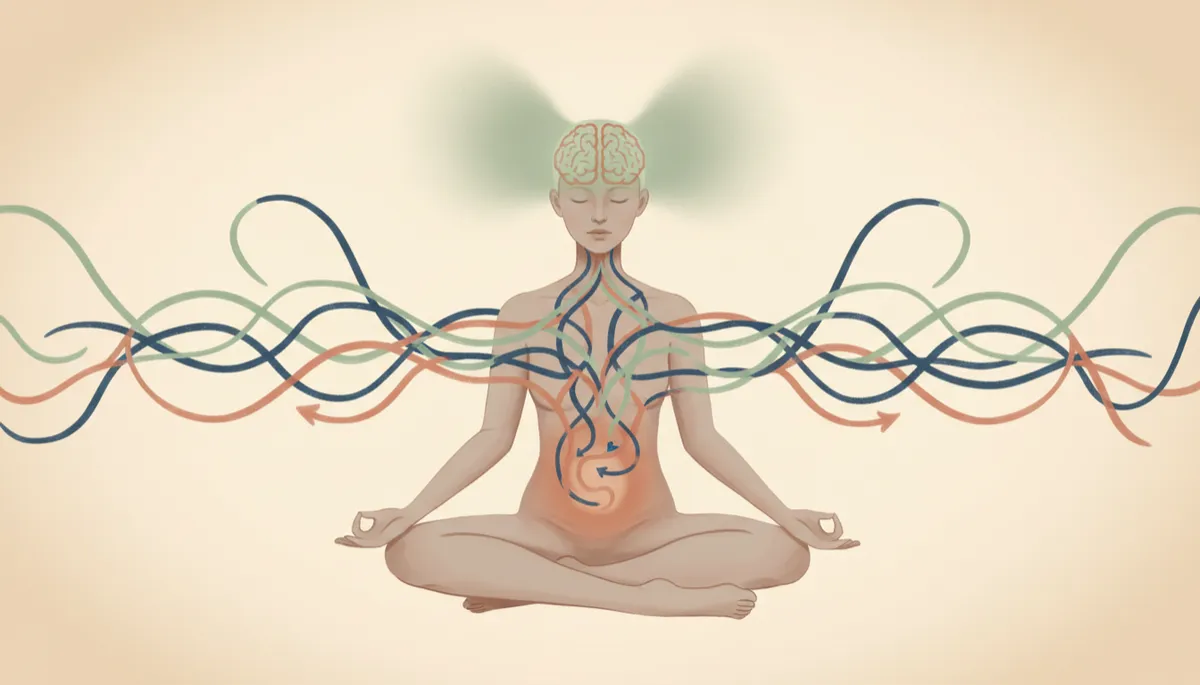
Gentle support for both brain and body can make gut sensations easier to live with.
4. Common Experiences During Stressful Periods
People often describe a mix of physical and emotional changes in the gut when life feels demanding. Some common experiences include:
Changes in Appetite
During busy or worrying times, you may skip meals without meaning to, feel full after only a few bites, or reach more often for quick, highly processed foods. For others, eating becomes a way to self-soothe, leading to more frequent snacking or larger portions. These patterns can influence energy, blood sugar levels, and digestive comfort.
Abdominal Discomfort and “Nervous Stomachs”
A “nervous stomach” is a common description for feelings of tightness, fluttering, or churning in the abdomen. These sensations may show up before an exam, presentation, or difficult conversation. For many people, they ease once the situation passes. For others, especially if there is an underlying gut condition, stress can make existing symptoms feel stronger or more frequent.
Bowel Habit Changes
Some people find that stress is linked with looser stools or more frequent bowel movements. Others notice constipation or a feeling that they have not fully emptied. These changes might be related to shifts in gut movement, muscle tension, or changes in food and fluid intake. However, they can also signal other medical conditions, so it is important not to self-diagnose based on stress alone.
📌 Key Point: If you notice a pattern between stress and gut symptoms, it can be helpful information to share with your doctor. It is one piece of the puzzle, not the whole story.
5. Everyday Habits That Support Stress and Gut Health
While not a cure for digestive conditions, certain everyday habits may support both stress management and digestive wellbeing. Think of them as gentle foundations rather than strict rules. Small, realistic changes often work better than sudden, intense plans.
Regular, Predictable Meals (When Possible)
Many people find that their gut feels calmer with a more predictable eating pattern. This might mean three main meals, or smaller meals with planned snacks—whatever fits your medical advice, culture, and daily life. Aim to:
Avoid long stretches of the day without food, if this is safe and appropriate for you.
Include a mix of carbohydrates, protein, and healthy fats, guided by your health professional or dietitian where needed.
Hydration for Digestive Comfort
Drinking enough fluid helps support normal bowel function. Many adults find that sipping water regularly throughout the day is easier than drinking large amounts at once. Your needs will depend on your health, medications, climate, and activity level. If you have heart, kidney, or other medical conditions, follow your doctor’s specific advice about fluid intake.
Gentle Movement and the Brain–Gut Axis
Regular, appropriate physical activity can support mood, sleep, and bowel regularity. This does not have to mean intense workouts. Depending on your health and mobility, it may include:
Walking at a comfortable pace, even for short periods.
Gentle stretching or yoga-inspired movements.
Water-based exercise, if accessible and medically appropriate.
💡 Pro Tip: If you are unsure what level of activity is safe for you, ask your GP or allied health professional for personalised guidance before changing your routine.
Sleep: A Quiet Partner in Digestive Health and Stress
Sleep and stress influence each other in both directions. Poor sleep can make stress feel harder to manage and may affect appetite and gut comfort. High stress can disrupt sleep quality and timing. Helpful sleep habits may include:
Keeping a fairly consistent bedtime and wake time, where possible.
Creating a wind-down routine, such as dimming lights, reading, or gentle stretching.
Limiting very heavy meals and large amounts of caffeine close to bedtime, if this suits your medical advice.
Stress-Management Practices That Respect the Brain–Gut Axis
You cannot remove all stress from life, but you can build skills to help your nervous system shift out of “constant alert” mode more often. Some low-risk options include:
Comfortable breathing – gently lengthening the exhale, or counting a slow in-breath and out-breath, without forcing or straining.
Brief movement breaks – standing, stretching, or walking for a few minutes between tasks.
Mindful moments – noticing sensations in your feet on the ground, the feeling of your hands resting, or sounds around you, even for 30–60 seconds.
Supportive conversations – talking with trusted friends, family, or a mental health professional can ease emotional load and help you plan next steps.
⚠️ Safety Note: If any breathing or relaxation exercise makes you feel light-headed, panicky, or unwell, stop the exercise and return to normal breathing. Seek professional guidance before continuing.
6. Practical, Low-Risk Suggestions You Can Try
The following ideas are not treatments for digestive disease, but many adults find them gentle and manageable. Always adapt them to your medical needs and professional advice:
Anchor one meal – choose one meal (for example, breakfast) to eat at a similar time each day for a week, and notice how your body responds.
Add a short walk – if safe for you, try a 5–10 minute walk once a day after a meal to gently support digestion and mood.
Keep a simple symptom note – record what you ate, your sleep, notable stressors, and any digestive symptoms. This can help your doctor see patterns without you needing to remember every detail during the appointment.
Plan one calming pause – choose a regular cue (such as boiling the kettle) to take three comfortable breaths or stretch your shoulders.
Limit sudden diet changes – avoid cutting out major food groups or starting strict diets based only on online information. Work with your GP or dietitian if you are considering significant changes.
7. When Digestive Symptoms Need Medical Assessment
It is important not to overlook digestive symptoms or assume they are caused by stress alone. A healthcare professional can help you explore possible causes and decide on appropriate tests or treatments. You should seek medical advice if:
Symptoms continue for more than a few weeks, keep returning, or are gradually getting worse.
Digestive issues interfere with work, study, sleep, relationships, or daily activities.
You should seek prompt medical assessment – and in some cases urgent or emergency care – if you notice red-flag symptoms such as:
Severe or worsening abdominal pain, especially if sudden or unlike your usual symptoms.
Blood in your stool, black or tarry stools, or vomiting blood (which may look bright red or like coffee grounds).
Persistent vomiting, inability to keep fluids down, or signs of dehydration such as dizziness, very dry mouth, or passing little urine.
Unexplained weight loss, fever, or night sweats alongside digestive changes.
⚠️ Urgent Care: If you are concerned about a possible medical emergency, contact emergency services or attend your nearest hospital without delay. Do not wait to see whether symptoms settle on their own.
8. How Neurotherapy Australia Approaches Brain and Nervous-System Patterns
The gut–brain connection is one example of how closely linked body systems can be. At Neurotherapy Australia in Ashmore on the Gold Coast, we focus on the brain and nervous system, rather than diagnosing or treating digestive disease directly.
Our Brain & Nervous System Assessment may include:
qEEG brain mapping – to explore selected patterns of brain activity, such as how different areas communicate or respond at rest.
Heart rate variability (HRV) measurement – to gain information about how your autonomic nervous system is functioning over time.
Relevant wellbeing questionnaires – to better understand your experiences of stress, sleep, attention, or mood in daily life.
A personalised discussion of your goals and the assessment findings, so you can consider next steps in a collaborative way.
These tools explore aspects of brain and physiological patterns that may relate to stress regulation, attention, and nervous-system functioning. They do not diagnose digestive conditions, determine the cause of gut symptoms, or replace medical investigations. If you are experiencing ongoing digestive issues, we encourage you to work with your GP and relevant specialists alongside any brain-focused care.
📌 Clarification: Neurotherapy and neurofeedback are not treatments for digestive diseases. Our role is to support brain and nervous-system wellbeing, which may sit alongside medical care for gut conditions where appropriate.
9. Frequently Asked Questions About Stress and Gut Health
Does stress cause irritable bowel syndrome (IBS)?
IBS is a complex condition with several possible contributors, including how the gut moves, how sensitive it is, and how the brain and gut communicate. Stress can influence symptoms for some people, but it is not the only cause. If you suspect IBS, it is important to speak with a doctor. They can rule out other conditions and guide you toward evidence-based management options.
If my symptoms get worse with stress, does that mean they are not real?
No. Pain, bloating, and bowel changes are very real experiences, whether or not they change with stress. The brain–gut axis means that emotional and physical factors often interact. A symptom that is sensitive to stress can still be related to a medical condition, so it is important to take it seriously and seek assessment when needed.
Can improving my sleep or stress management cure my gut condition?
For many people, better sleep and stress-management skills can reduce the impact of symptoms and improve quality of life. However, they do not replace medical treatment. Conditions such as coeliac disease, inflammatory bowel disease, and infections require specific medical care. Think of lifestyle changes as supportive tools that sit alongside, not instead of, professional treatment.
Does Neurotherapy Australia treat digestive problems?
Neurotherapy Australia does not diagnose or treat digestive diseases. Our work focuses on brain and nervous-system patterns, such as those related to stress regulation, attention, and certain aspects of mood. If you have gut symptoms, we encourage you to consult your GP, gastroenterologist, or other appropriate specialists. Our services may complement, but never replace, medical care.
Is it helpful to track my gut symptoms?
For many people, a simple record of symptoms, meals, sleep, and major stressors can be very helpful during medical appointments. It can show patterns that might otherwise be missed. However, if tracking increases anxiety or leads to very restrictive eating, discuss this with your healthcare team. They can help you find a balanced approach.
10. A More Informed Approach to Your Wellbeing
The relationship between stress and gut health is real, but it is also complex. The brain–gut connection means that thoughts, emotions, and physical processes are in constant conversation. This does not mean that every digestive symptom is psychological, or that you are responsible for causing your own condition. Instead, it offers another way to understand your body and to build supportive habits with the help of your healthcare team.
At Neurotherapy Australia, we are committed to respectful, evidence-informed care. If you are curious about how your brain and nervous system are functioning, our team can help you explore selected patterns through structured assessment. For digestive concerns, we encourage ongoing partnership with your GP and relevant specialists, so that your care addresses the whole picture—not just one part of it.
Location: Neurotherapy Australia, 38/207 Currumburra Road, Ashmore QLD 4214, Gold Coast, Australia.
Disclaimer: This article is for general educational purposes and does not replace personalised medical advice, diagnosis, or treatment.
Ever wonder what's going on inside your brain? Book a Brain and Nervous System Assessment today! Click here to find out more →

