Stress and Sleep: Brain Health Connection
Brain Health, Stress and Sleep, Nervous System Regulation, Gold Coast
Stress and Dysregulated Sleep in the Brain: Understanding the Connection
Explore how stress and sleep interact in the brain, why this relationship works in both directions, and how understanding your individual nervous system may support healthier rest and recovery.
You can be exhausted and still struggle to sleep. Your body feels heavy, but your mind remains active. You replay conversations, plan tomorrow, or simply feel unable to switch off. You finally drift off, only to wake in the early hours and lie there, aware of the clock and the coming day on the Gold Coast.
The next morning, everything can feel harder. You may be more distracted, less patient, or find it difficult to concentrate, even on simple tasks. This experience is common, and it often reflects the close relationship between stress and sleep in the brain and nervous system. Importantly, this relationship is two-way – stress can influence sleep, and disrupted sleep can, in turn, affect how your brain responds to stress and daily life.
Sleep difficulties can have many causes, and not all sleep problems are driven by stress. Still, understanding how stress and sleep interact can be a helpful starting point for supporting your brain, nervous system and overall wellbeing.
Why Does Stress Affect Sleep?
When your brain detects a demand, challenge or possible threat, it prepares you to respond. This is part of a normal stress response, coordinated by the brain and autonomic nervous system. It is designed to help you cope, not to harm you. For some people, though, this increased alertness can make it harder to drift into sleep later on.
Increased alertness: The brain shifts into a more vigilant state, scanning for information and potential problems to solve.
Changes in heart rate: Your heart may beat a little faster or feel more noticeable as your body prepares for action.
Changes in breathing: Breathing can become shallower or quicker, especially when you are thinking about something stressful.
Muscle tension: Shoulders, jaw and neck muscles may hold more tension, even when you are lying in bed.
Racing thoughts: The mind may cycle through plans, worries or unfinished tasks, making it harder to relax attention.
Increased environmental monitoring: Sounds, light and even small changes in the environment may feel more noticeable.
These are normal stress responses. On a busy day in Southport, Surfers Paradise or Ashmore, they can help you meet deadlines, drive safely or respond to family needs. The challenge arises when the nervous system finds it difficult to shift gears after the demand has passed. If your brain continues to operate in a more alert mode late into the evening, falling asleep or staying asleep can become more difficult for some people.
💡 Key idea: Stress responses are not “bad” – they are useful in the right context. Difficulties can arise when the brain struggles to move from activation back to recovery when you need to rest.
The Brain Doesn't Simply Switch Off at Night
It can be tempting to think of sleep as the brain “turning off”. In reality, sleep is an active, carefully organised process. Different brain regions and networks change their activity in predictable patterns across the night. Some areas quieten down, while others become more active during certain sleep stages.
Memory consolidation: During sleep, the brain helps stabilise and organise memories from the day, moving some information into longer-term storage and letting go of what is less important.
Learning: Skills and information you practised or studied – whether that is a work task, a conversation, or a new route around the Gold Coast – may be strengthened during sleep.
Emotional processing: Sleep is thought to support how the brain processes emotional experiences, helping some feelings become less intense over time for many people.
Attention and cognitive function: Rested brains tend to find it easier to focus, plan, organise and make decisions during the day.
Recovery: Sleep supports many aspects of physical and neurological recovery, including energy balance and immune function.
When sleep is regularly disrupted, these processes may not unfold as smoothly. This does not mean that one poor night of sleep causes permanent damage. Most people experience occasional restless nights without long-term consequences. The concern is more about ongoing patterns of disrupted sleep and how they may influence day-to-day functioning and resilience over time.
The Stress–Sleep Cycle
Stress and sleep can interact in a loop. For some people, a period of stress can make it harder to fall asleep or stay asleep. Then, after a short or restless night, the next day can feel more demanding, which may increase stress levels again. Over time, this pattern can become a cycle:
Stress → increased alertness → disrupted sleep → daytime fatigue → reduced resilience → more stress
This pattern is not inevitable, and it does not happen to everyone. Many people sleep reasonably well even during stressful times. For others, however, poor sleep can make it harder to:
Regulate emotions and recover from upsets
Maintain focus during work, study or caregiving
Make thoughtful decisions instead of reacting quickly
Cope with everyday demands without feeling overwhelmed
📌 Key takeaway: Stress and sleep influence each other. Supporting either side of the cycle – reducing stress where possible, or improving sleep habits – may help some people feel more resilient during the day.
What Does “Dysregulated Sleep” Actually Mean?
The phrase “dysregulated sleep” is sometimes used informally to describe sleep that feels out of sync with what your body needs. It is not a formal diagnosis. Instead, it can be a way of talking about patterns of sleep that are disrupted, irregular or difficult to maintain over time.
Examples of what people might mean by “dysregulated sleep” include:
Difficulty falling asleep, even when feeling tired
Waking up frequently during the night and finding it hard to return to sleep
Waking much earlier than intended and being unable to fall back asleep
Irregular sleep timing, such as going to bed and waking at very different times each day
Feeling unrefreshed or “foggy” on waking, even after what seems like enough time in bed
These experiences can have many possible causes. Stress and mental load are one part of the picture, but so are lifestyle habits, shift work, medical conditions, medications, mental health, caffeine and alcohol use, sleep disorders and environmental factors such as noise or light. A careful, individualised assessment is often needed to understand what is contributing to sleep difficulties for a particular person.
How Poor Sleep Can Affect the Brain
Most people recognise how they feel after a short or restless night. You may read the same sentence several times, forget why you walked into a room, or feel more easily frustrated in traffic on Smith Street or the Pacific Motorway. These everyday experiences reflect how sleep and brain function are linked.
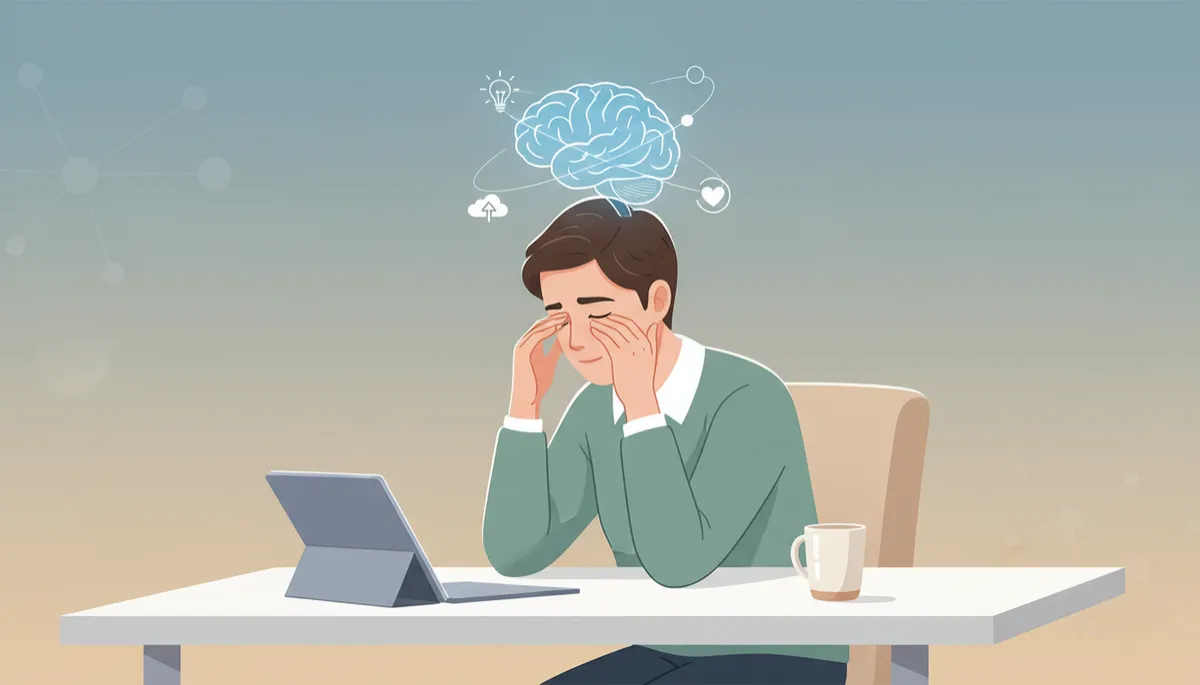
Premium editorial cartoon / digital showing a daytime scene of the same adult from the at a...
Daytime fatigue after disrupted sleep can make focus, memory and emotional balance feel more effortful.
Attention: Poor or insufficient sleep may make it harder to sustain attention, especially on tasks that are long, detailed or repetitive.
Working memory: Holding information in mind – such as a phone number, set of instructions or items on a shopping list – can feel more challenging when sleep has been disrupted.
Learning: When the brain is tired, learning new information or skills may require more effort and repetition for some people.
Emotional regulation: Disrupted sleep can make some people feel more emotionally sensitive or reactive, with less “buffer” for everyday stressors.
Decision-making and reaction time: Tired brains often respond more slowly and may find complex decisions more mentally tiring.
These effects are usually temporary and relate to how well-rested the brain is at a given time. One poor night does not mean lasting cognitive impairment. However, when disrupted sleep continues over weeks or months, many people notice that their energy, focus and resilience feel different to when they are sleeping well.
Supporting the Brain’s Transition Into Sleep
There is no single “perfect” sleep routine that suits everyone on the Gold Coast. However, certain habits can help create conditions that support the brain’s natural transition from alertness into sleep. These strategies are not a cure for persistent sleep disorders, but they can be part of a supportive foundation.
Maintain a consistent sleep and wake schedule
Going to bed and waking up at similar times each day can help regulate your internal body clock. Even a 30–60 minute window can be helpful for some people. Large shifts between weekday and weekend sleep times may make it harder for the brain to anticipate when to wind down.
Create a predictable wind-down routine
A wind-down period helps signal to your nervous system that the high-demand part of the day is over. This might include dimming lights, reading, gentle stretching, or a calming shower. The goal is not to find the “perfect” routine, but to create a familiar pattern that your brain starts to associate with rest.
Reduce stimulating activities before bed
Intense work, emotionally charged conversations, fast-paced scrolling or late-night problem-solving can keep the brain in a more activated state. For some people, gradually shifting to quieter, lower-stimulation activities in the hour before bed may support the transition into sleep.
Manage caffeine intake
Caffeine can be helpful for alertness in the morning, but it may interfere with sleep for some people if consumed later in the day. Sensitivity to caffeine varies. Paying attention to how your own body and sleep respond can guide decisions about timing and amount.
Support daytime movement and light exposure
Regular physical activity and exposure to natural light – whether on the beach, in a park, or simply walking around your neighbourhood – can support your sleep–wake rhythm. Even gentle movement and brief time outdoors can be beneficial for many people.
Create a comfortable sleep environment
A dark, quiet and comfortably cool bedroom can make it easier to fall and stay asleep. For some people, earplugs, eye masks or white noise can help reduce disruptions from light and sound, especially in busy or brightly lit areas of the Gold Coast.
These strategies may support healthy sleep, but they are not guaranteed to resolve persistent or complex sleep problems. If difficulties continue, professional guidance is important.
What About Nervous System Regulation?
“Nervous-system regulation” is a phrase you may have seen more often in recent years. Put simply, it refers to how well your nervous system can move between different states – from alert and focused, to calm and restful, and back again – in response to what is happening in your life.
Regulation does not mean feeling calm all day. A healthy nervous system is designed to become more activated when needed and then have opportunities to settle. The key idea is flexibility:
Activation when needed. Recovery when possible.
Simple practices can help create moments of recovery during the day and evening. These are not treatments for sleep disorders, but they may support nervous-system balance for some people:
Slow, comfortable breathing: Gently lengthening the exhale, within a comfortable range, can support the body’s natural calming pathways for some people.
Short breaks: Brief pauses between tasks – standing up, stretching, looking out a window – can help the brain reset rather than running in a single continuous stream of effort.
Gentle movement: Walking, light stretching or other comfortable movement can support circulation and help release some physical tension held in muscles.
Reducing stimulation: Turning down volume, lowering screen brightness or stepping away from constant notifications can help some people feel less overwhelmed.
Relaxation routines: Practices such as gentle body scans, soothing music or simple mindfulness exercises can be part of an evening wind-down for some individuals.
Again, these approaches are not a replacement for medical or psychological care, and they are not guaranteed to improve sleep. They are small ways of offering your nervous system more opportunities to shift from “doing” into “resting” across the day.
When Sleep Problems Need More Attention
While stress and sleep are closely linked, it is important not to assume that all sleep problems are simply “stress-related”. Sleep difficulties can have many possible contributors, including:
Lifestyle factors, such as irregular schedules, shift work or late-night screen use
Medical conditions, including pain, breathing difficulties or hormonal changes
Medications or substances that can influence sleep–wake patterns
Mental health concerns, such as anxiety or low mood
Caffeine, alcohol or other substances, especially later in the day or evening
Sleep disorders, such as sleep apnoea or other conditions that require medical assessment
Environmental factors, including noise, light and bedroom temperature
If sleep problems are persistent, severe or concerning – for example, if they significantly affect your ability to function during the day, your mood, your safety or your health – it is important to speak with an appropriately qualified healthcare professional. This may include your GP, a sleep physician, psychologist or other relevant practitioner. They can help assess potential causes and recommend appropriate next steps.
Understanding Your Individual Brain and Nervous System
No two brains respond to stress and sleep disruption in exactly the same way. The same situation – a busy work week, a family change, or a period of uncertainty – might leave one person sleeping soundly while another lies awake, replaying events long after the lights are off. Genetics, life experiences, health, environment and daily habits all play a role in this individual patterning.
At Neurotherapy Australia on the Gold Coast, our focus is on helping people better understand their individual brain and nervous-system patterns. Rather than assuming that “stress and sleep problems” look the same for everyone, we aim to build a more personalised picture through:
qEEG brain mapping: A non-invasive way of recording brainwave activity, which may provide information about patterns of brain function. qEEG does not diagnose sleep disorders or mental health conditions, but it can offer additional context about how the brain is functioning at rest or in certain tasks.
Heart rate variability (HRV) measurement: HRV provides information about patterns in heart rhythm that are influenced by the autonomic nervous system. It can offer insights into how the body responds to activation and recovery over time, but it is not a diagnostic tool for sleep disorders or stress disorders.
Relevant wellbeing questionnaires: Carefully selected questionnaires can help capture aspects of sleep, mood, stress and daily functioning from your own perspective, adding important detail to the overall picture.
Nervous-system education: Understanding how your brain and nervous system respond to stress and sleep can be empowering. Education is a key part of our approach, helping you make sense of your own patterns rather than feeling that your nervous system is “broken”.
Personalised brain training and nervous-system training: Where appropriate, neurofeedback and related approaches may be used as part of an individualised plan. These methods aim to support more flexible patterns of brain and nervous-system activity over time. They are not marketed as cures for insomnia or as diagnostic tools.
The Brain & Nervous System Assessment brings these elements together. It is a personalised assessment designed to provide additional information and context about how your brain and nervous system are functioning. This information may help inform practical next steps, in collaboration with your broader healthcare team where appropriate.
In-person assessments are available at: 38/207 Currumburra Road, Ashmore QLD 4214, Gold Coast, Australia. For many people in the wider Gold Coast region, this offers a local option for exploring brain health, stress and sleep in more depth.
Sometimes, Understanding Comes Before Changing
When sleep becomes difficult, it is natural to try harder. Another supplement. Another app. Another strict rule about bedtime. While some changes can be helpful, constantly pushing yourself to “sleep better” can sometimes create more pressure, which may keep the brain alert rather than relaxed.
Sometimes the first step is not forcing more effort, but gently asking: What is keeping my brain and body alert? How does my nervous system respond to stress? What happens in the hours before bed? How do I move between activation and recovery across the day? And what might be happening in my individual brain and nervous system that could be shaping these patterns?
There is rarely a single, simple answer. But a clearer understanding can turn a confusing experience into a more informed starting point. From there, you and your healthcare providers can consider which strategies, supports or assessments make sense for you.
Explore Your Brain & Nervous System
If you are curious about how stress and sleep might be interacting in your own brain and nervous system – and you are looking for support on the Gold Coast – you may wish to learn more about Neurotherapy Australia’s Brain & Nervous System Assessment.
This assessment does not diagnose sleep disorders or replace medical care. Instead, it offers a personalised, neuroscience-informed way of exploring your brain and nervous-system patterns, alongside your experiences of stress, sleep and daily life. For some people, this additional information can help clarify next steps and support more targeted conversations with other health professionals.
To find out more, you can:
Learn about the Brain & Nervous System Assessment and what it involves
Contact Neurotherapy Australia to discuss whether the assessment is suitable for your goals around stress, sleep and brain health on the Gold Coast
Book an assessment at 38/207 Currumburra Road, Ashmore QLD 4214, Gold Coast, Australia to explore your individual brain and nervous-system patterns in more depth
Sometimes the answer is not simply trying harder to sleep. It may begin with understanding what is keeping the brain and body alert – and then working with that knowledge in a calm, informed and compassionate way.
Ever wonder what's going on inside your brain? Book a Brain and Nervous System Assessment today! Click here to find out more →

