
Neurofeedback
& ADHD
Neurotherapy Australia was established in 2022. Focused on making Neurotherapy accessible to those needing it the most, we partner with therapists and coaches to work together in bringing Neurotherapy into homes all over the country.
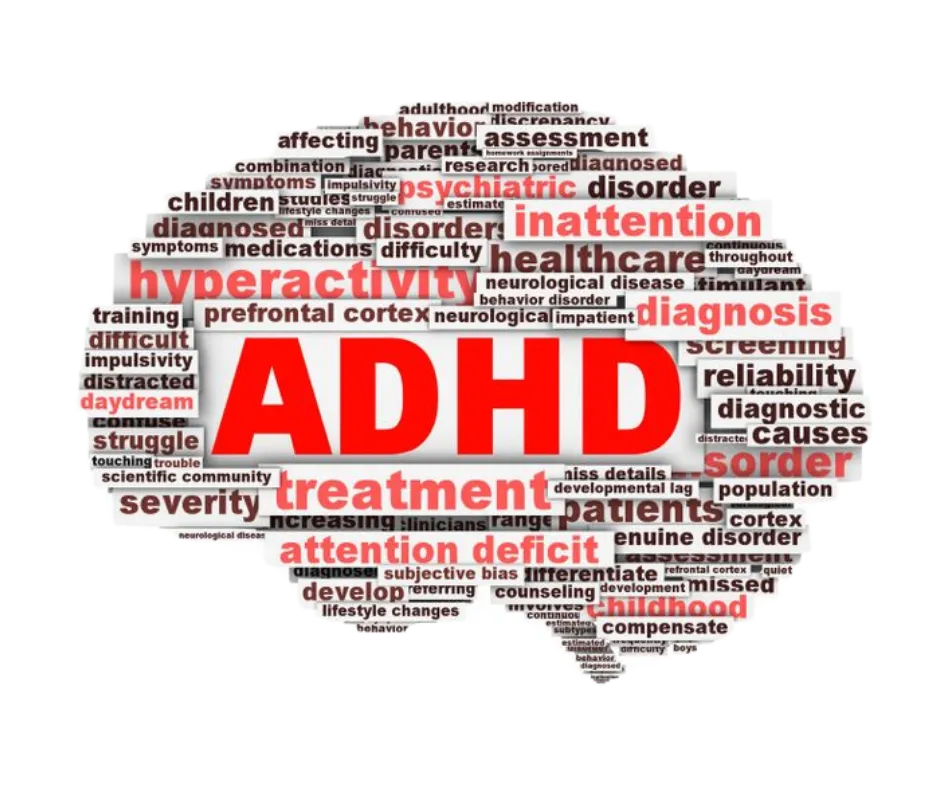
Why Neurofeedback & ADHD?
Neurofeedback is a technique that aims to train and modulate brain activity using real-time feedback from brainwave measurements.
While the specific areas of the brain to target for neurofeedback can vary based on individual needs and goals, there are several key areas that are often considered important for ADHD.
Following an initial assessment, we tailor our programs specific to your or your child's brain data gathered and your goals.
Neurofeedback
What are some of the benefits?
1. Improved Focus and Attention
Neurofeedback helps individuals with ADHD enhance their ability to concentrate and sustain attention. Training the brain to regulate its activity in the regions responsible for attention, it leads to significant improvements in focus and task performance.
2. Reduced Impulsivity
Neurofeedback can help individuals with ADHD better manage impulsivity, which is a common symptom of the disorder. Over time, neurofeedback training can lead to better self-control and decision-making.
3. Enhanced Executive Function
Neurofeedback can improve executive functions, such as planning, organisation, time management, and working memory. These improvements make it easier for individuals with ADHD to manage daily tasks and responsibilities more effectively.
4. Decreased Hyperactivity
For those with ADHD who experience hyperactivity, neurofeedback training can lead to a reduction in restlessness and excessive physical activity. This can result in calmer and more focused behavior.
5. Sustainable and Drug-Free Solution
Unlike medications, which may provide short-term relief but often come with side effects, neurofeedback offers a sustainable, drug-free solution. The benefits of neurofeedback training can persist long after the treatment has concluded, offering lasting improvements in ADHD symptoms.
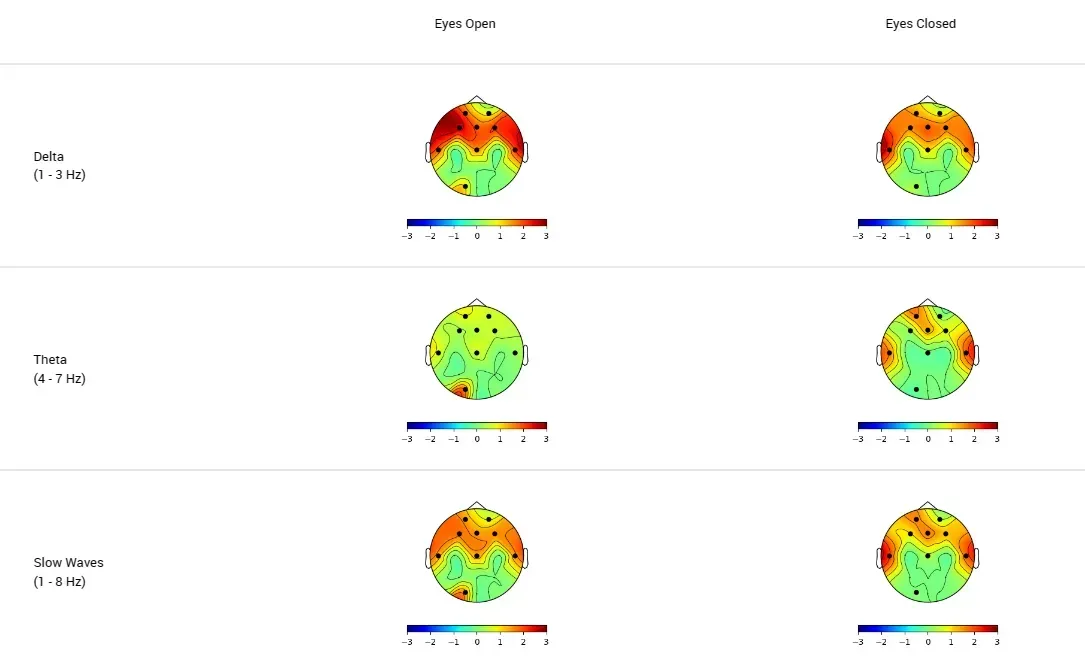
What can ADHD look like on a brain map?
There are certain markers that we look for when looking for traits of ADHD. One is looking at the sqEEG data that we collect in the initial assessment and if we are seeing large portions of activity in the slowing frequency bands around the frontal lobes of the brain. Then looking at the faster frequencies and if there is not a lot of activity around the frontal lobes. This all can indicate markers of ADHD traits.
Where's the proof?
There have been several studies conducted on the application of neurofeedback for ADHD.
Below is only a couple. We suggest for you to do your own homework on this. Just simply Google something like; Neurofeedback for ADHD.

Study: Neurofeedback as a Treatment Intervention in ADHD.
From NIH - National Centre for Biotechnology Information
Summary: We conclude that neurofeedback based on standard protocols in ADHD should be considered as a viable treatment...
Study: Is neurofeedback effective for treating ADHD?
From - Medical News Today
Summary: In 2009, researchers published a meta-analysis that looked at the impact of neurofeedback on the disorder’s symptoms. They concluded that neurofeedback may lead to: large-scale improvements in impulsivity and inattention.

Innovation
Fresh, creative solutions.

Integrity
Honesty and transparency.

Excellence
Top-notch services.
FOLLOW US


COMPANY
CUSTOMER CARE
LEGAL
Copyright 2026. Neurotherapy Australia. All Rights Reserved.